Is Nassau Safe? The Advisories, the Police Figures and the Real Complaints
Three governments publish advice on The Bahamas, the police publish yearly crime figures, and cruise forums publish complaints. Here is what each one actually says about Nassau.
Three governments publish live advice on The Bahamas and none of them tells you to stay home. The US State Department has the country at Level 2, Exercise Increased Caution, updated on 28 July 2026. Canada asks visitors to exercise a high degree of caution. The UK Foreign, Commonwealth and Development Office keeps a standing travel advice page, last revised on 28 May 2026. Underneath those headlines sit the Royal Bahamas Police Force figures for 2025, and they moved in one direction: 2,409 major crimes, down 15% from 2,825 the year before.
Booking facts checked September 12, 2026. Dollar amounts and booking counts below are historical planning examples, not current quotes. Use the rechecked booking choices for your date and confirm the exact option and meeting point.
Select a day route while preserving practical safety advice. Start with the experience, then compare the actual date, party total and departure details.
Starting choice: Explore Private Pirate Jeep sightseeing 3h · Your own driver-guide links the Queen’s Staircase, caves, Graycliff and John Watling’s in an air-conditioned Jeep.
That is the sourced part. The lived part is different again. Judging by what cruise passengers consistently report on the big forums, the most common bad day in Nassau is not a crime at all. It is a run of hair braiding offers, chair rentals and tour touts between the gangway and Bay Street, then a taxi fare nobody agreed on in advance. This page keeps those two things apart, because the advice that answers one does not answer the other.
Royal Bahamas Police Force figures, 2024 against 2025
Royal Bahamas Police Force figures, national rather than tourist-corridor. New Providence accounted for 76 of the 83 homicides in 2025.
Is it safe for US citizens to travel to The Bahamas right now?
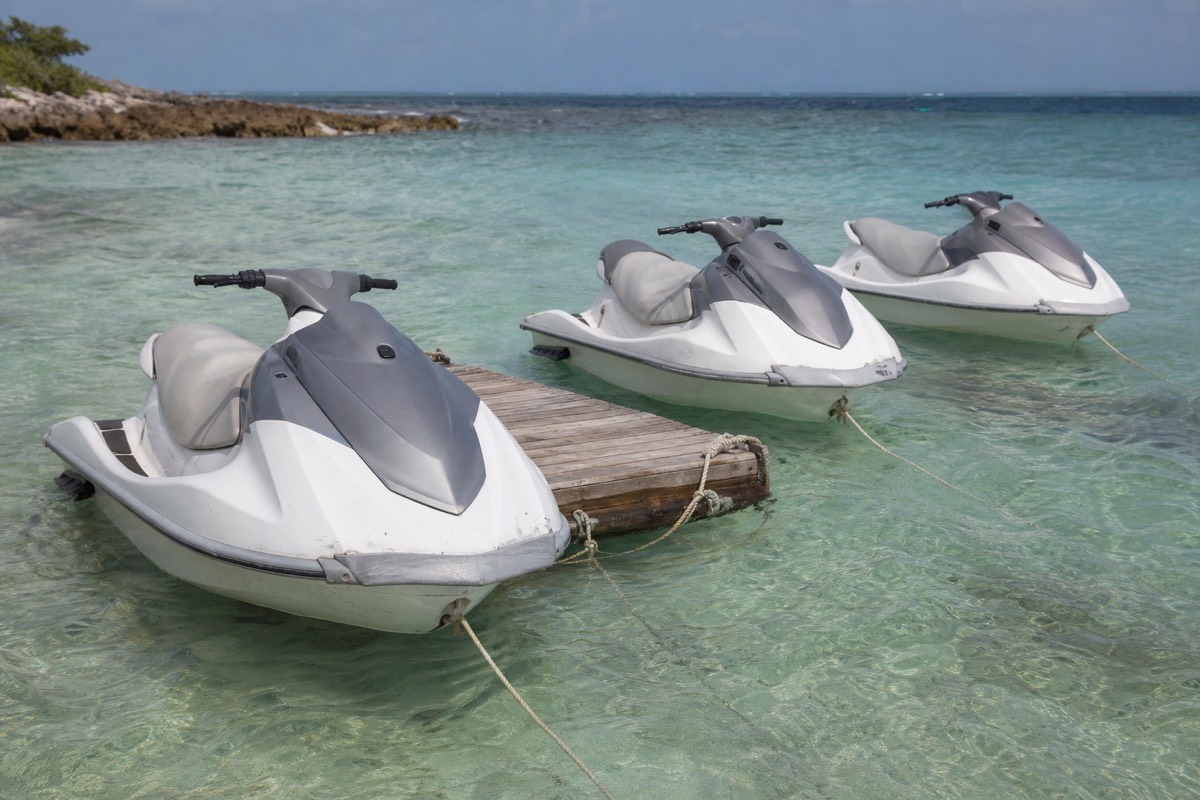
Yes, under the conditions the advisory itself sets out. The US State Department has The Bahamas at Level 2, Exercise Increased Caution, updated 28 July 2026. It does not tell Americans to avoid the country. It says most crime happens in Nassau and Freeport, it names one district of Nassau by name, and it flags the water sports rental industry as the specific thing to be wary of.
Level 2 is a caution, not a warning against travel, and the practical value of the page is in its detail rather than its headline. Read the State Department advisory for The Bahamas in full before you sail and you will find the two items that actually matter to a day visitor: the geography of where crime concentrates, and the warning about rented watercraft. Neither of those is about the cruise terminal, Bay Street or a booked excursion.
Canada and the UK land in a similar place with different vocabulary. The Canadian government advice asks for a high degree of caution across the country. The UK FCDO page carries standing advice with no blanket instruction to avoid New Providence. Three governments, three wordings, one shared message: go, and pay attention to where you are and what you rent.
| Government | Headline wording | What it specifically flags | Last update on record |
|---|---|---|---|
| United States | Level 2, Exercise Increased Caution | Most crime in Nassau and Freeport; the Over the Hill area south of Shirley Street; a poorly regulated water sports rental industry | 28 July 2026 |
| Canada | Exercise a high degree of caution | Country-wide caution, with no separate do-not-travel zone published for New Providence | Check the live page |
| United Kingdom | Standing travel advice, no blanket warning against travel | General safety, security and local law guidance for visitors | 28 May 2026 |
One thing worth doing before any of this: read the advisory yourself rather than a summary of it. Summaries drop the geography, and the geography is the whole answer.
What do the police statistics actually show?
The Royal Bahamas Police Force recorded 2,409 major crimes in 2025, down 15% from 2,825 in 2024. Crimes against people fell 27% to 509. Homicides fell 31%, from 120 to 83. Those are national figures for a country of many islands, and New Providence, the island Nassau sits on, carried 76 of the 83 murders and 157 of the 162 armed robberies.
Two honest readings sit inside that. The first is that the trend is genuinely down across every headline category, which is not what most people expect when they search this question. The second is that the improvement is concentrated where the population is, and the population is on New Providence. Concentration on one island is not the same as concentration in the tourist corridor, and the published data does not break down to street level, so nobody, us included, can tell you what share of it happened within walking distance of Prince George Wharf.
What we will not do is convert those figures into a reassuring per-visitor probability. That calculation gets published constantly and it is close to meaningless, because the denominator mixes 6.1 million cruise passengers who were ashore for six hours with residents who live there year round. The numbers below are the numbers, sourced to the Royal Bahamas Police Force, framed as island-wide rather than tourist-corridor.
| Measure (Royal Bahamas Police Force) | 2024 | 2025 | Year on year |
|---|---|---|---|
| Major crimes, national | 2,825 | 2,409 | Down 15% |
| Crimes against people | Not in our source | 509 | Down 27% |
| Homicides | 120 | 83 | Down 31% |
| Homicides on New Providence | Not in our source | 76 of 83 | Concentrated on this island |
| Armed robberies on New Providence | Not in our source | 157 of 162 | Concentrated on this island |
Where not to go in Nassau, Bahamas?
The US advisory names exactly one area: the Over the Hill district, south of Shirley Street. That is the only named geography in the whole document. Everything else is a matter of time of day and how far you drift from the main corridor, which for a cruise day means the strip running from Prince George Wharf along Bay Street and out to Junkanoo Beach and Arawak Cay.
Shirley Street runs roughly parallel to and inland from Bay Street, so "south of Shirley Street" is a line you would have to cross deliberately. It is residential, it is not on any tour route we sell, and there is nothing in it that a visitor would go looking for. The blunt version, which our team would rather say plainly than dress up: you are unlikely to end up there by accident on a six-hour port call.
The corridor itself is compact. From the gangway it is about five minutes on foot to Bay Street, around 13 minutes to the Queen's Staircase and roughly 15 minutes to Junkanoo Beach. Our what to avoid in Nassau post goes street by street; the table here is the shape of it.
| Area | Where it is | What is there | How visitors meet it |
|---|---|---|---|
| Over the Hill | South of Shirley Street, inland from downtown | Residential district named in the US advisory | Rarely; no tour route we sell goes through it |
| Prince George Wharf | Downtown waterfront, 6 berths | 60 plus retail units, restaurants and bars, a Junkanoo museum, an open-air amphitheatre, Wi-Fi, a pharmacy, shaded seating | Where you step off the ship |
| Bay Street and Parliament Square | About 5 minutes on foot | Shops, the Straw Market, colonial buildings | The main walking area, and where vendor pressure peaks |
| Queen's Staircase and Fort Fincastle | About 13 minutes on foot, uphill | 65 limestone steps cut in 1793 to 1794, a 1793 fort shaped like a paddle-wheel steamer | The standard short walk, and a trolley and Jeep stop |
| Junkanoo Beach | About 15 minutes on foot | Free public sand, bars, music, chair and drink vendors | The nearest beach, and the busiest for hawking |
| Arawak Cay, the Fish Fry | West Bay Street, west of downtown | A row of Bahamian food stalls and restaurants | Taxi or a tour stop |
| Cable Beach | About 9.2 km west of downtown | Resort strip with free public sand | Jitney number 10 at $1.25, or a taxi at about $18 to $24 |
Is it safe to walk around Nassau, Bahamas from a cruise port?
In daylight, on the main corridor, yes, and thousands of people do it every port day. The walk is short: about five minutes to Bay Street, 13 to the Queen's Staircase, 15 to Junkanoo Beach. The complaint that dominates passenger reports about that walk is persistent vendors and touts, not crime, and the two get confused constantly in trip reports.
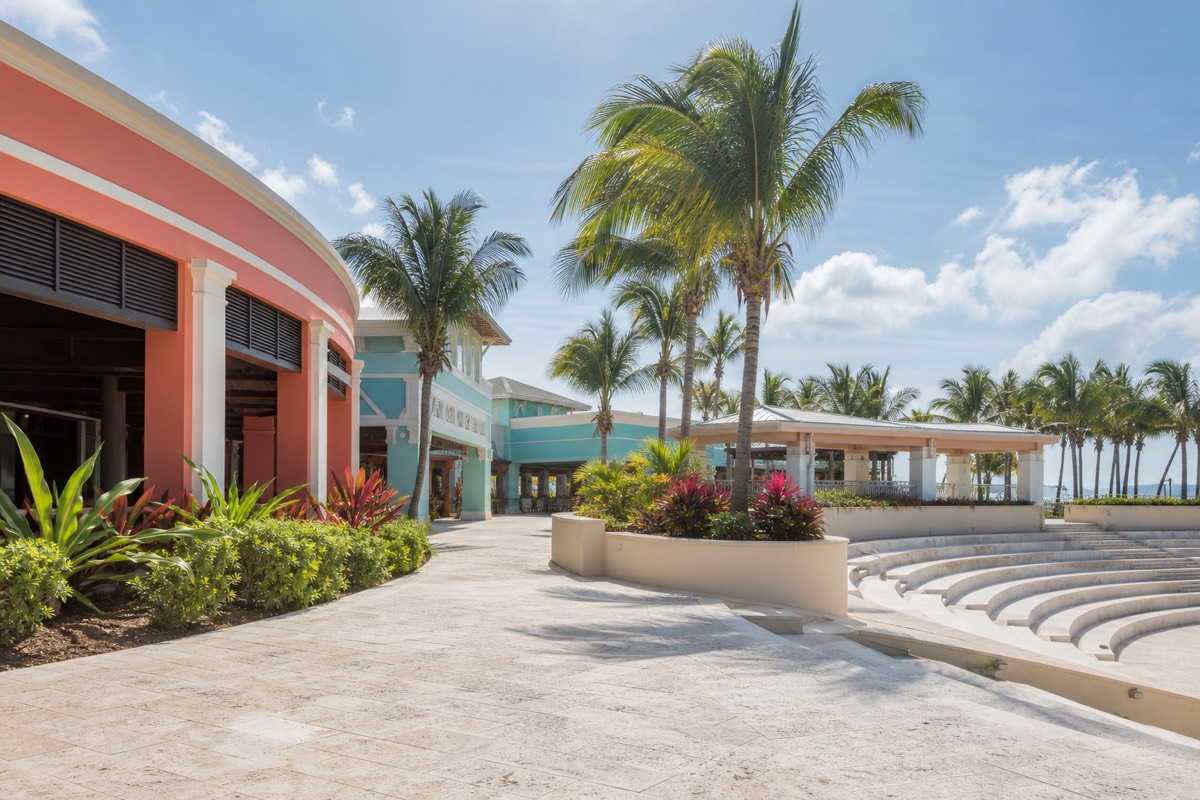
The redeveloped port opened in 2023 and is one of the few things almost everyone praises: clean, walkable, real shops and food inside the fence. Step outside it and the register changes within a block. Offers of hair braiding, beach chairs, drinks and unofficial tours come fast, and they come again. Nothing about that is dangerous. It is simply relentless, and people who have not been briefed on it read the intensity as menace.
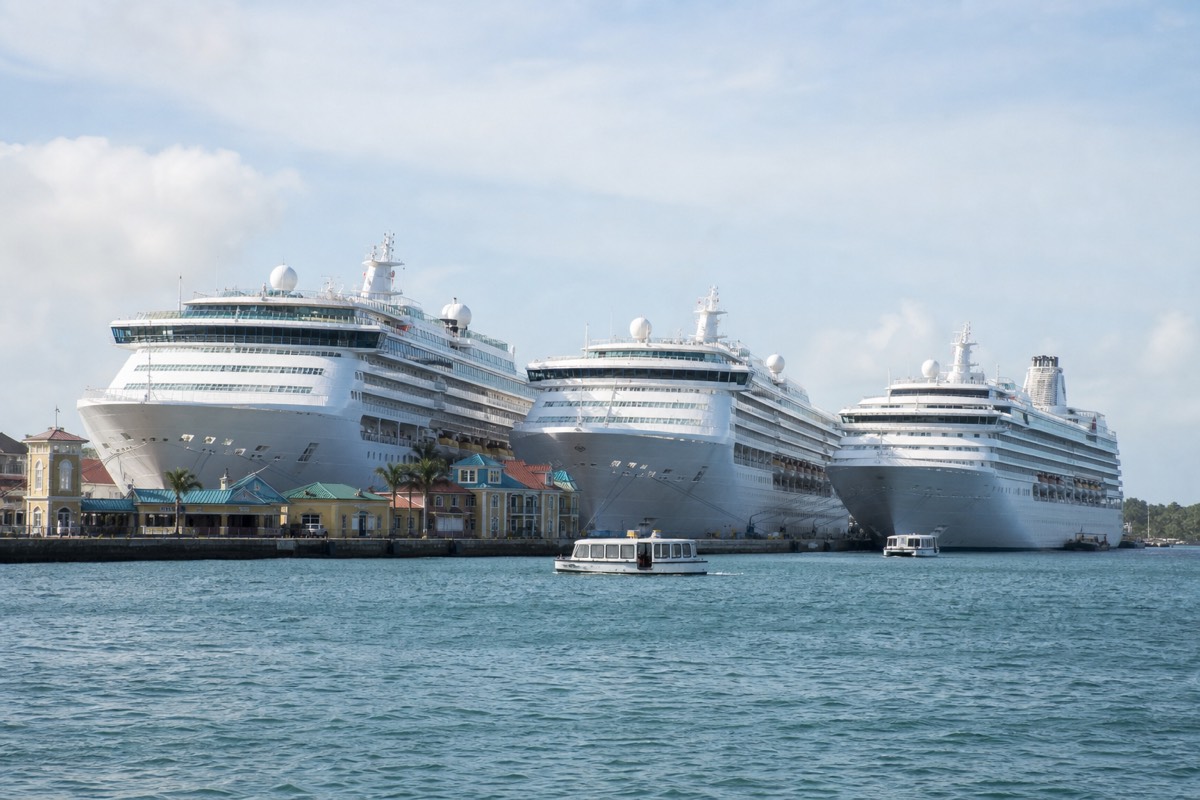
Crowding is the other variable, and it is a real one. The port has six berths and can take six ships at once, and the record single day was 33,254 passengers on 8 June 2026. On a four to six ship day the walking radius fills up, taxi queues lengthen and Bay Street stops being pleasant. Our port logistics and timing guide has the arrival and departure windows, and the walkable radius from the ship covers what you can genuinely reach on foot.
What should you be careful of in the Bahamas?
Four things, in descending order of how much the sources actually stress them: rented watercraft, unmetered taxi fares agreed after the ride, vendor and tout pressure on the main strips, and being off the main corridor after dark. Only the first of those is a formal advisory item. The middle two are what passengers report over and over, and they cost money and patience rather than safety.
Taxis in Nassau are not metered. That single fact drives most of the money disputes visitors describe, and the fix takes four seconds: agree the fare before the doors close. Published guide fares run about $18 to $24 to Cable Beach for one or two passengers and about $15 to $20 to Paradise Island plus the bridge toll, so you have a reference point to work from.
Vendor pressure is best handled the way experienced passengers describe handling it, which is to decide what you are doing before the gangway opens, have it booked, and say a firm no to everything else. That is the single most repeated piece of advice in the forums, and it works because it removes the hesitation that touts read as interest.
| Activity | What the sources say | Practical read |
|---|---|---|
| Walking Bay Street in daylight | About 5 minutes from the gangway; the dominant complaint is vendors, not crime | Routine. Expect to say no several times |
| A booked, guided tour | You are with a guide and a group from pickup to drop-off; passengers consistently rate pre-booked small-group tours above freelancing on foot | The lowest-friction way to spend a port day |
| Renting a jet ski or other watercraft | The US advisory calls the industry poorly regulated, cites frequent boating accidents particularly on jet skis, and notes reported sexual assaults by jet-ski operators | The only activity the advisory singles out. Treat that as the warning it is |
| Taking a taxi without agreeing the fare | Taxis are unmetered; fare disputes are a repeated passenger complaint | Agree the number first, every time |
| Walking off the main strips after dark | The advisory says most crime occurs in Nassau and Freeport, and names Over the Hill | Not a cruise-day scenario. Ships typically leave between 16:00 and 18:00 |
| Freelancing at Junkanoo Beach on a heavy ship day | Crowding, noise and paid-chair pressure are the top reported gripes | Fine if you expect it. Go early or go further west |
Why does the advisory single out jet skis and water sports?
Because it is the one category where the US State Department moves from general caution to a specific, named risk. The advisory describes the water sports rental industry as poorly regulated, notes frequent boating accidents particularly involving jet skis, and records reported sexual assaults by jet-ski operators. No other Nassau activity gets that treatment in the document.
This is the part of the safety conversation that gets skipped most often, and it is the part with the most direct bearing on how you spend the day. A jet ski on a Nassau beach is rented from whoever is standing on the sand, at a price negotiated on the spot, with no meaningful oversight of the machine or the operator. Rates around Nassau run roughly $120 to $200 an hour, which is enough money to make the hard sell energetic.
We sell no jet ski, parasailing, scuba or fishing product, so we have no commercial stake in this one. Our rundown of the other water activities around Nassau covers what those operations are and what they cost, honestly, including the ones we do not touch. If you want time on the water, a boat with a licensed crew, a passenger list and a scheduled return is a different proposition to a machine rented by the hour from a stranger.
Is Nassau safe for solo travelers?
Yes, with the same corridor and daylight rules everyone else follows, plus one addition: pick activities where you are attached to a group. Solo visitors report the same friction everyone else does, mostly touts and taxi fares, and the advisory contains nothing specific to solo travel. Small-group tours solve the isolation problem cheaply, and the smallest groups fill first.
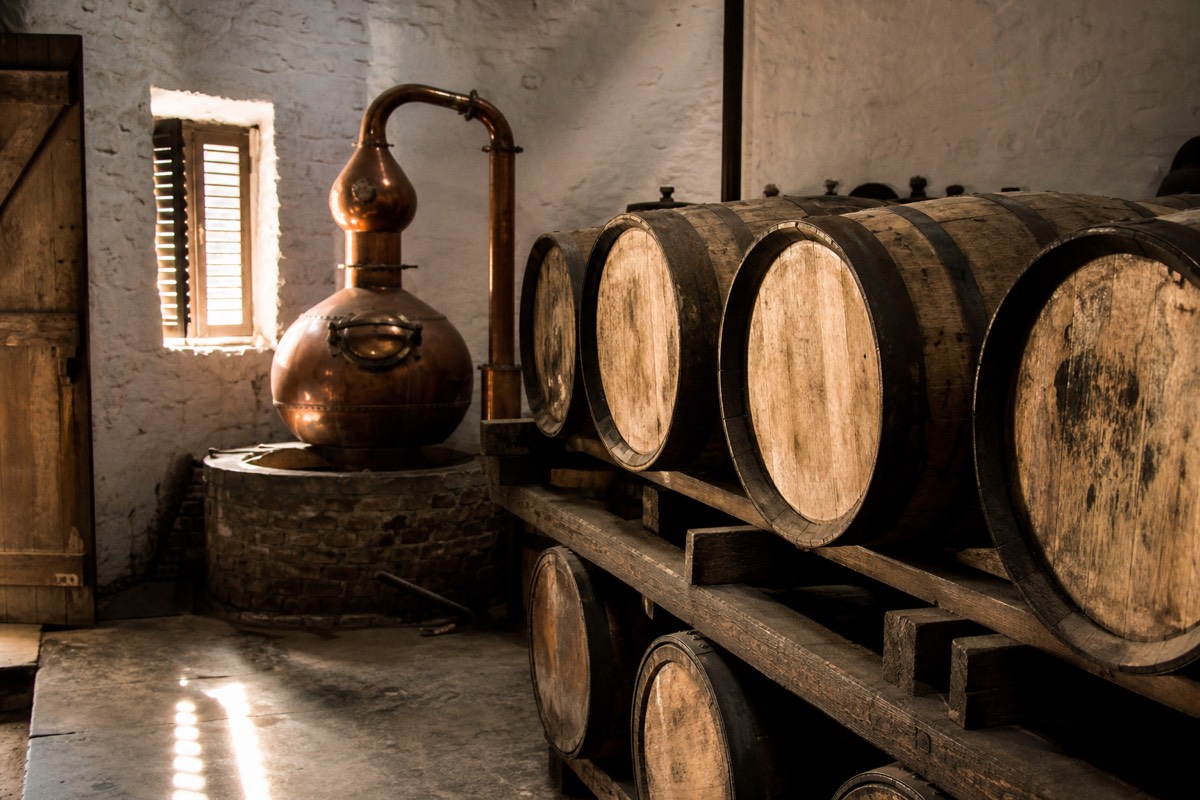
Small-group capacity makes checking dates before travel useful, but there is no verified same-day sellout pattern for these departures. The rum walk is capped at twelve and horseback eligibility needs advance confirmation; check the actual date rather than assume walk-up tickets. Related reading: rum and food walking tour
Keep 911 and 919 in your phone, both of which reach emergency services in The Bahamas. If you booked independently rather than through the ship, you are the one responsible for getting back to the gangway on time, and if you miss the ship you rejoin it at your own cost at the next port. That is a scheduling risk, not a safety one, but it is the one that actually ruins holidays.
| Solo checklist | Why it is on the list |
|---|---|
| Book the day before you land | Morning slots go to people who booked ahead, and free cancellation on these listings is typically 24 to 48 hours out |
| Stay on the corridor in daylight | The advisory names one inland district; the corridor is not it |
| Agree every taxi fare first | Taxis are unmetered, and this is the top money complaint |
| Skip rented watercraft | The single named risk in the US advisory |
| Save 911 and 919 | Both reach emergency services |
| Choose a capped group over a crowd | The rum walking tour takes 12 guests; horseback runs in very small groups |
| Build in a buffer before all-aboard | A cruise-line excursion can include return assistance under the cruise line’s terms; do not assume every booking guarantees the ship will wait. With an independent tour, you are responsible for the all-aboard deadline. Reserve two hours before all-aboard plus check-in and transfer time, and compare actual departure times before paying. |
What do cruise passengers actually complain about?
Vendors and hawkers outside the port and along Bay Street, a Straw Market that sells mostly imported souvenirs at high pressure, Junkanoo Beach being crowded and noisy with chair-rental pressure, expensive and mediocre food and drink, congestion when four to six ships are in, and taxi fare disputes. That is the whole list, repeated across thousands of trip reports. Crime almost never features.
The praise list is just as consistent and it is not short. The redeveloped port itself gets good marks for being clean and genuinely walkable with real shops. So does the short walk to Bay Street, Parliament Square, the Queen's Staircase and Fort Fincastle. So does the water once you get away from the busiest sand, and the rum tastings, and the distillery visits. And the clearest pattern of all: pre-booked small-group or private tours are described as a noticeably better experience than freelancing on foot.
Somewhere between a fifth and two fifths of forum discussion recommends simply staying aboard, mostly on heavy multi-ship days, and mostly because of vendor pressure rather than any perception of danger. That is a legitimate choice, and it is also a slightly sad one when the alternative is a $55 trolley circuit. If you want the attraction-led version of the day rather than the safety-led one, our guide to what there is to do in Nassau maps each landmark to the tour that reaches it.
Does booking an organized tour change the risk picture?
It changes the friction picture completely and the crime picture marginally. On a booked tour you are with a guide and a group for the whole window, your transport is arranged, your price is fixed before you land, and nobody on a beach is negotiating with you. The parts of a Nassau day that passengers describe as unpleasant are almost entirely the unstructured parts.
Three of the tours on this site are built for exactly that kind of day. The 2½-hour cultural trolley circuit runs at $55 from the Straw Market side of the port, taking in the Queen's Staircase, the Atlantis grounds, a rum cake tasting and a 15-minute stop at Junkanoo Beach, which is a very different experience of that beach than arriving alone with a towel. The rum tasting and food walking tour at $98 covers colonial downtown on foot with a guide, five rum tastings and three cocktails, capped at 12 people, and finishes inside a private speakeasy you cannot reach any other way.
The private Jeep’s current itinerary lists stops at Nassau sights including the Queen’s Staircase, the Caves, Graycliff and John Watling’s. Several other places are drive-pasts: do not count Arawak Cay as an included meal stop or Cable Beach as swimming time. Confirm admissions for the option selected. Related reading: private Jeep sightseeing run
What are the practical taxi and money rules?
Agree the fare before you get in, carry small notes, and expect gratuities to sit outside every published price. Jitney buses cost $1.25, the water taxi to Paradise Island runs $4 to $7, a taxi to Cable Beach is about $18 to $24 for one or two passengers, and Paradise Island is about $15 to $20 plus the bridge toll.
A cruise-line excursion can include return assistance under the cruise line’s terms; do not assume every booking guarantees the ship will wait. With an independent tour, you are responsible for the all-aboard deadline. Reserve two hours before all-aboard plus check-in and transfer time, and compare actual departure times before paying.
| Item | Figure | Note |
|---|---|---|
| Jitney bus | $1.25 | The cheapest way west along the coast road |
| Water taxi to Paradise Island | $4 to $7 | Runs from the downtown waterfront |
| Taxi to Cable Beach | About $18 to $24 | Quoted for one or two passengers |
| Taxi to Paradise Island | About $15 to $20 | Plus the bridge toll |
| Are taxis metered? | No | Agree the fare before the doors close |
| Ship excursion desk premium | Typically 40 to 60% above direct online rates | A cruise-line excursion can include return assistance under the cruise line’s terms; do not assume every booking guarantees the ship will wait. With an independent tour, you are responsible for the all-aboard deadline. Reserve two hours before all-aboard plus check-in and transfer time, and compare actual departure times before paying. |
| Free cancellation window | Typically 24 to 48 hours ahead | On the listings we link to |
| Gratuities | Not included | Excluded from every tour price on this site |
What should you do if something goes wrong?
Call 911 or 919, both of which reach emergency services in The Bahamas, and report anything criminal to the Royal Bahamas Police Force before you sail rather than after. Once the ship leaves, a report becomes far harder to file and far less useful to you for insurance purposes.
For the far more likely problems, the fixes are duller. A fare dispute is settled by having agreed the number first, which is why we keep repeating it. A pushy vendor is settled by a flat no and continuing to walk. A lost group on a booked tour is settled by the guide, which is one of the quieter arguments for booking one.
The timing problem deserves its own line. Ships typically arrive between 07:00 and 08:00 and leave between 16:00 and 18:00, and independently booked tours carry no waiting guarantee. Choose a morning departure, which the operators recommend anyway for calmer seas and cooler air, and you have hours of buffer instead of minutes.
So how safe is a day ashore in Nassau, really?
Safe enough that the honest answer is boring. Three governments say go with caution, the police figures fell across every headline category in 2025, the one activity flagged by name is rented watercraft, and the thing most likely to spoil your day is a hawker rather than a criminal. Plan the day, book it, and the risk profile drops to about the level of any busy port city.
What this page will not do is tell you Nassau has no crime, because it does, and the police published the numbers. Nor will it tell you the tourist corridor is a sealed bubble, because it is not. What the sources support is narrower and more useful: the named risk areas are geographically specific, the named activity risk is specific, and the corridor most cruise passengers use is short, busy and heavily trafficked in daylight.
If you are weighing Nassau against other Bahamian islands, our comparison of how Exuma compares with Nassau on safety takes that question head on. If you want a beach day and you would rather know the chair-rental situation before you arrive, the beach-by-beach breakdown costs it out. And if you have simply decided to spend the day with a guide instead of on your own, the guided tours we list all run in daylight, in groups, with a fixed price and a scheduled return.