The Best Time to Visit Nassau, Judged on Boat Conditions (2026)
Twelve months of Nassau judged on the only things that change a tour day: wind, sea state, water temperature, rain and how many ships are in port.
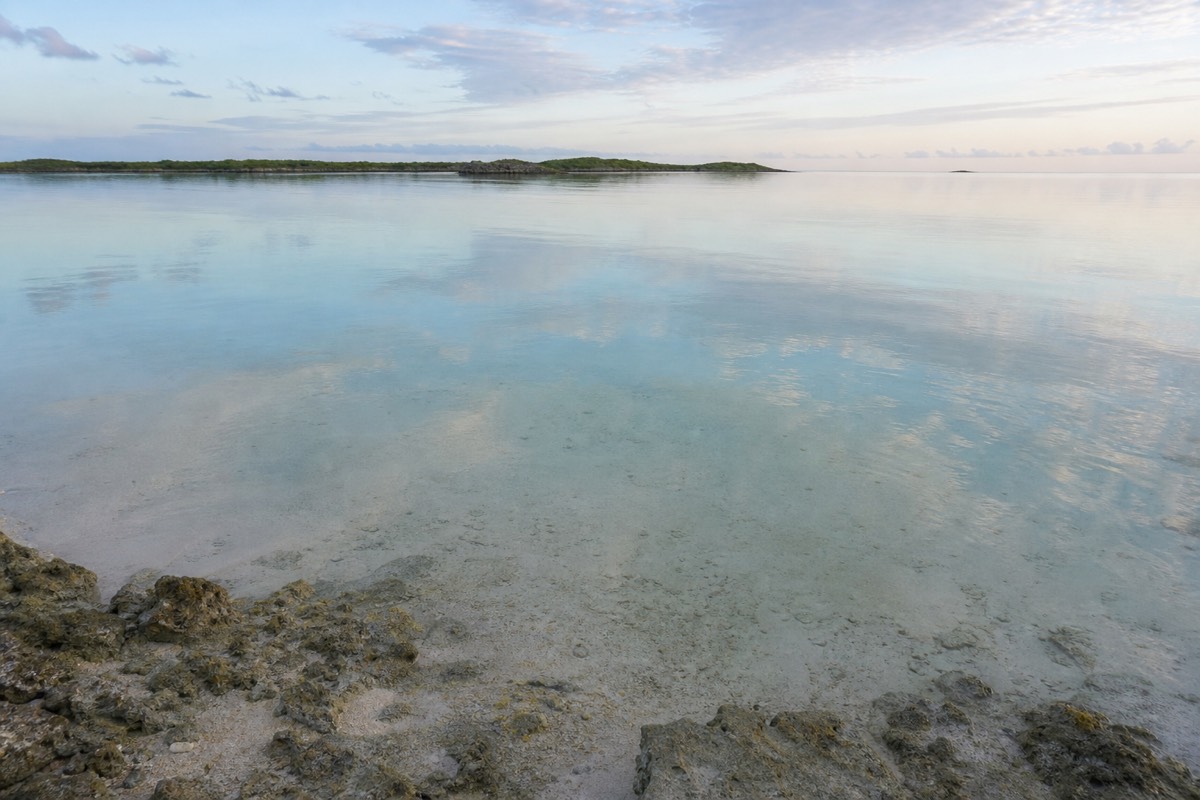
The air temperature in Nassau moves by about seven degrees Celsius across the whole year, from a 25°C high in January to 32°C in July and August. That is not the number that should pick your month. The number that should is the wind, because wind builds the sea, and the sea decides whether the snorkel stop happens, whether the pigs get forty minutes or fifteen, and whether the boat leaves the dock at all. December through March is when boat tours out of Nassau are cancelled most often. April is the calmest month of the year here, and it is not close.
Booking facts checked September 12, 2026. Dollar amounts and booking counts below are historical planning examples, not current quotes. Use the rechecked booking choices for your date and confirm the exact option and meeting point.
Rank land and water choices for your month and interests. Start with the experience, then compare the actual date, party total and departure details.
Starting choice: Explore Rose Island reef & 007 Beach Club 4h · Snorkel Rose Island Reef, watch for turtles from the boat and settle into the 007 Beach Club with a light grill lunch.
Boat conditions out of Nassau, month by month
Scores weigh sea state, wind, rain and storm risk together, not air temperature. Any single week can beat or miss its month.
What is the best month to go to Nassau, Bahamas?
April. The winter cold fronts have stopped rolling through by then, the June rains and the hurricane window have not opened yet, the sea sits around 25 to 27°C and the air high is near 28°C. March to May is the wider best stretch and April is the single best month inside it. That is the view we publish, and it is a boat-conditions judgement rather than a weather-brochure one. Nothing about April is dramatic. The air is not hotter than July, the water is not warmer than September, and the rainfall figure of roughly 50 to 70 mm is not the lowest of the year. What April has is the absence of the two things that ruin days on the water out of Nassau: the north and northeast winds that arrive with winter fronts, and the tropical systems that build from June.
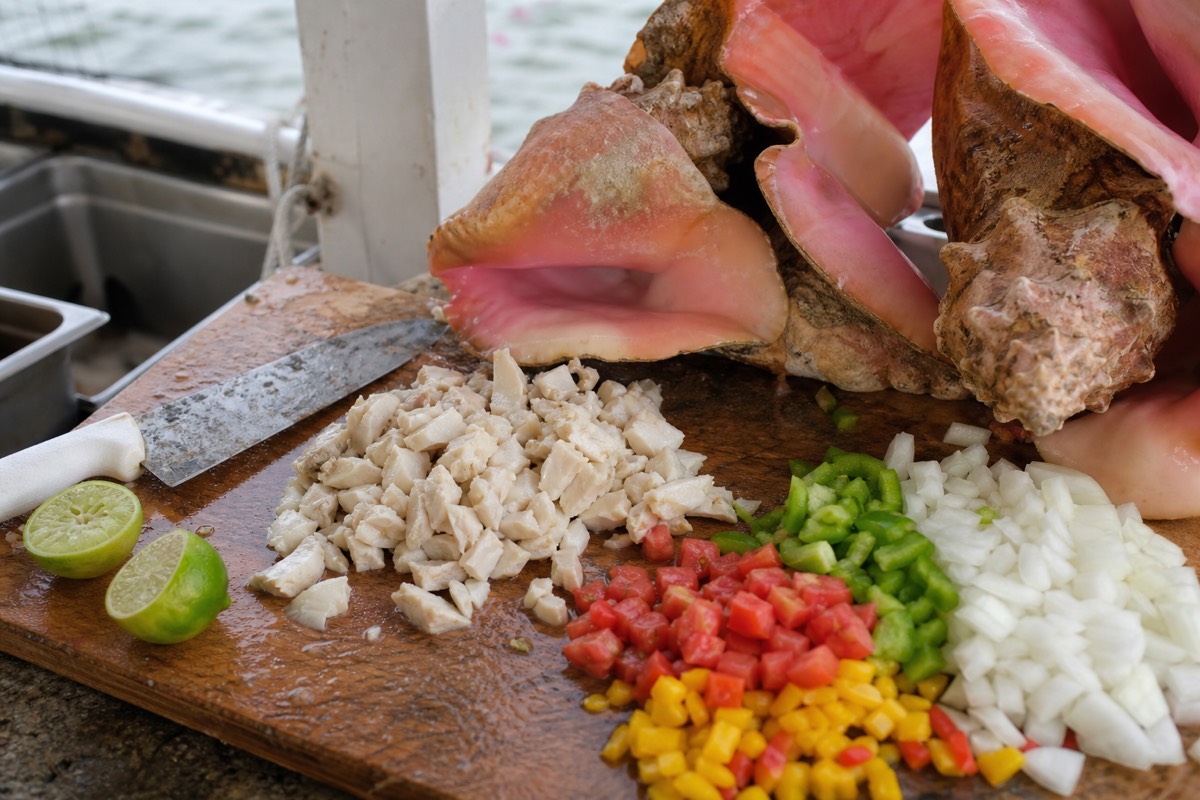
The consequence is practical. On a settled April morning a boat can hold its planned route, which means the reef stop at Rose Island Reef actually happens, the turtle stop at Green Cay happens from the deck rather than being skipped, and the pig beach gets its full slot instead of a rushed twenty minutes before the crew starts watching the sky. Push the same trip into February and the day is a lottery. Push it into September and the lottery has bigger stakes.
Here is the full year on the four numbers that matter to a tour day. Sea temperature is the one that decides whether you get in the water without thinking about it. Sea state is the one that decides whether you get on the boat at all.
| Month | Sea temp | Air high / low | Rain | Typical sea state for tours |
|---|---|---|---|---|
| January | 24 to 26°C | 25 / 17°C | 40 to 50 mm | Cold fronts, north winds, 6 to 8 ft on the worst days |
| February | 24 to 26°C | 25 / 17°C | 37 to 50 mm | Driest month of the year and one of the windiest |
| March | 24 to 26°C | 27 / 18°C | 40 to 55 mm | Fronts easing through the month, still breezy |
| April | 25 to 27°C | 28 / 19°C | 50 to 70 mm | Settled, the most reliable month on the water |
| May | 26 to 28°C | 29 / 21°C | 80 to 110 mm | Still settled, warmer water, showers building |
| June | 27 to 29°C | 31 / 22°C | 105 to 230 mm | Light winds, heavy rain, storm season opens 1 June |
| July | 27 to 29°C | 32 / 23°C | 86 to 160 mm | Often calm and very hot, afternoon squalls |
| August | 27 to 29°C | 32 / 23°C | 130 to 236 mm | Wettest stretch, tropical activity building |
| September | 27 to 29°C | 31 / 23°C | 147 to 172 mm | Statistical storm peak falls around 10 September |
| October | 27 to 29°C | 30 / 22°C | 144 to 162 mm | Rain still high, storm risk fading late in the month |
| November | 26 to 28°C | 28 / 20°C | 76 to 85 mm | Season closes 30 November, seas settling |
| December | 25 to 27°C | 26 / 18°C | 48 to 50 mm | Dry and bright, the first winter fronts return |
When are the seas calmest for boat tours?
March through May, with a second settled run in July when the trade winds go light. The useful version of this answer is not a season though, it is two wind numbers: above 15 knots the ride turns bumpy and snorkel stops start getting cut, and above 20 knots longer trips are routinely shortened or cancelled outright. Those thresholds hold in any month. A calm February week beats a windy April one, which is why nobody should treat a month as a guarantee.
Small-group capacity makes checking dates before travel useful, but there is no verified same-day sellout pattern for these departures. The rum walk is capped at twelve and horseback eligibility needs advance confirmation; check the actual date rather than assume walk-up tickets. Related reading: Rose Island boat day
The winter pattern deserves its own explanation because it surprises people who have only read the temperature charts. From December through March, cold fronts push down out of North America and swing the wind into the north and northeast. Those fronts bring occasional gale conditions and seas of 6 to 8 ft or more on the exposed side of the island. The sun is often still out. The sky looks like a holiday brochure. The boat still is not going anywhere useful, because the outer bank is a washing machine and the reef visibility has gone.
| Wind | What the ride feels like | What usually changes on the tour |
|---|---|---|
| Under 15 knots | Comfortable, mild chop on the exposed legs | Nothing. Full route, all stops run |
| 15 knots and above | Bumpy, spray over the bow on the outer runs | Snorkel stops can be cut or moved to sheltered water |
| 20 knots and above | Hard going on anything past the harbour | Longer trips are often cancelled or modified |
| Winter front, 6 to 8 ft seas | Not a tourist sea | Boat days are called off, most often December to March |
What is the rainy season in Nassau, Bahamas?
June through October, with August and September the heaviest. August can reach 236 mm and September runs 147 to 172 mm, against 37 to 50 mm in February, which is the driest month of the year. December through March is the dry season, and the gap between the wettest and driest months is a factor of four or more. The shape of the rain matters more than the total. Bahamian summer rain arrives as afternoon convection: a dark cell builds, dumps hard for twenty or forty minutes, then clears. It is not the grey all-day drizzle of a northern autumn.
That shape is exactly why the morning departure earns its keep in summer. A tour that pushes off at 08:00 in July has usually finished its snorkel stop and its beach time before the sky does anything interesting. A 14:00 departure in the same week is running straight at the squall line. Rain itself does not cancel a boat trip out of Nassau. Wind does, and lightning does, and the two often travel with the rain, which is where the confusion comes from.
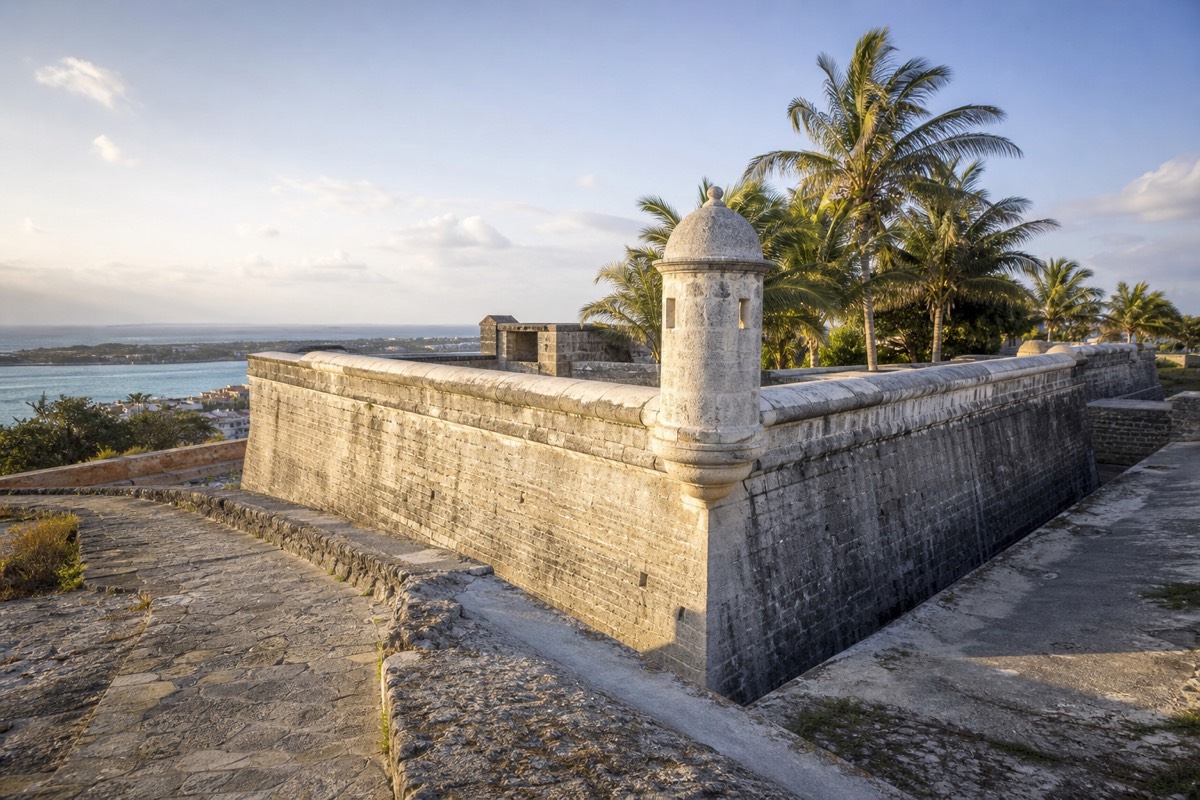
For a rain-heavy stretch, the honest planning move is to keep one land option in your back pocket rather than to write the day off. The two-hour electric trolley run through the historic sites carries on in weather that would stop a speedboat, as does anything indoors on the rum and distillery side of town. Save the water day for the better morning and take the land day on the worse one. The Bahamas Department of Meteorology publishes the local forecast, which is a better guide the night before than any monthly average on this page.
- Driest run: December, January, February, March. February is the lowest of all.
- Wettest run: June through October, peaking in August and September.
- Rain rarely cancels a boat day on its own. Wind and lightning do.
- Morning slots dodge most summer convection. Afternoon slots run into it.
What is the worst month to take a cruise to the Bahamas?
September, on the numbers. The Atlantic hurricane season runs 1 June to 30 November and its statistical peak falls around 10 September, which is also one of the two wettest months in Nassau at 147 to 172 mm. That combination is why September carries the highest chance of a rerouted itinerary and a missed port. It is worth being precise about what the risk actually is. A named storm does not usually catch a ship. Cruise lines route around weather days in advance, so the realistic bad outcome is not danger, it is your Nassau day being swapped for a sea day or another island, and the tour you booked for it going unused.

The counterweight is real too. September is the quietest month in the port and the easiest month to get on any tour at short notice. If your trip is fixed to that window, the sensible defence is the cancellation policy rather than avoidance: free cancellation on these listings typically runs 24 to 48 hours ahead, so a booking made in advance costs you nothing if the ship never arrives. Book it, diarise the cancellation deadline, and stop worrying about it. The full month-by-month argument sits in our breakdown of the best and worst month for a Bahamas cruise.
| Storm-season month | Storm risk | Rain | What it means for your booking |
|---|---|---|---|
| June | Season opens 1 June, activity usually low | 105 to 230 mm | Book normally. Watch the afternoon squalls, not the season |
| July | Low | 86 to 160 mm | Often the calmest water of the summer. Take the early slot |
| August | Building | 130 to 236 mm | Book with the 24 to 48 hour free cancellation in mind |
| September | Peak, around 10 September | 147 to 172 mm | Highest chance of a rerouted port day. Cancel free if it happens |
| October | Falling through the month | 144 to 162 mm | Late October is a quiet, warm, underrated window |
| November | Season closes 30 November | 76 to 85 mm | Seas settle, cruise arrivals climb again. Book earlier |
Is it warm enough to swim in the Bahamas in December?
Yes. The sea near Nassau holds 25 to 27°C in December, which is warmer than most heated hotel pools in the northern hemisphere and warmer than the Mediterranean in August. Nobody on a Nassau boat trip wears a wetsuit in December. The thing that will actually spoil a December water day is wind, not water temperature. January through March are the coolest months in the water at 24 to 26°C, or roughly 75 to 79°F, and even that is comfortable swimming for anyone who has swum in the Atlantic north of Florida.
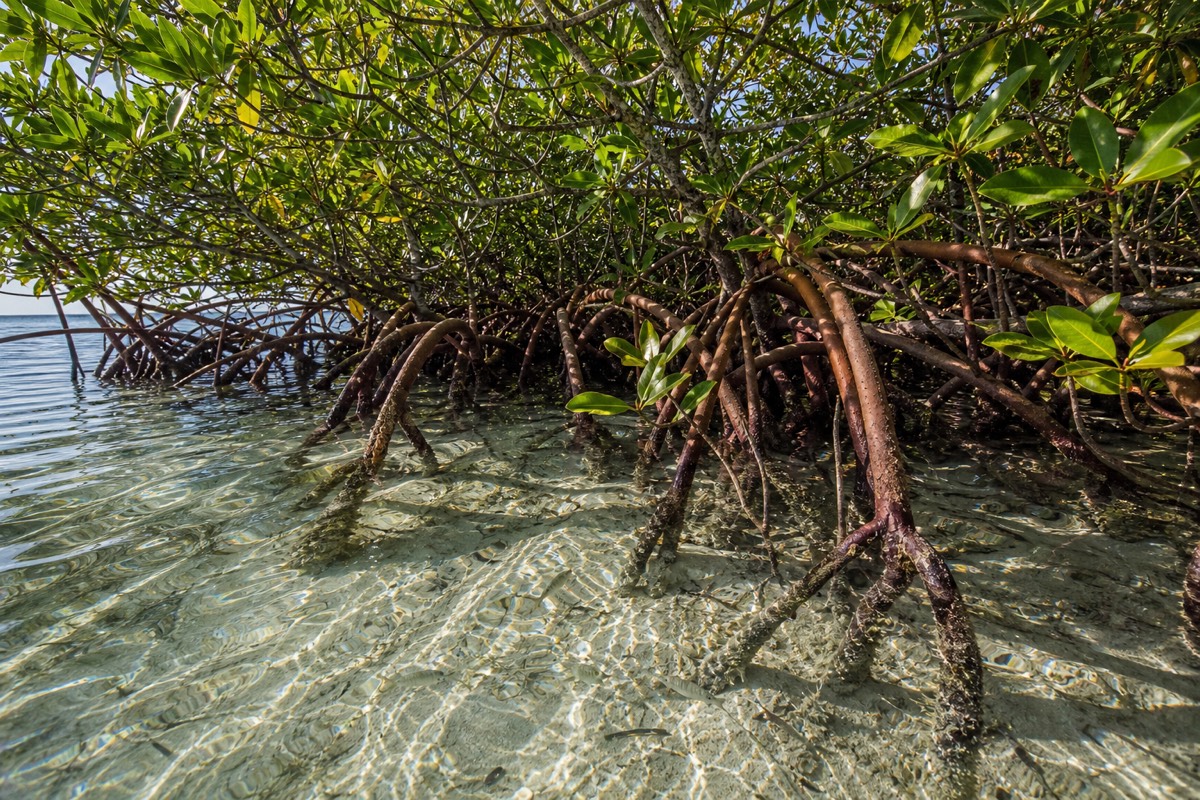
What does change in winter is how the day feels between swims. The air high in December is 26°C and the overnight low is 18°C, so a boat deck at 08:30 with 15 knots of northeast breeze and a wet swimsuit is genuinely cool. Bring something with sleeves. Towels are not included on any of the boat trips we list, which catches people out year-round and stings most in January.
Underwater visibility, not warmth, is the winter variable that matters for snorkelling around Nassau. A front that has been pushing swell across the bank for two days stirs sand into the shallows and drops clarity, and it can take a day or two after the wind eases for the water to clean up again. On a settled winter morning, though, December and January water off Rose Island is as clear as any month of the year. That is the trade: fewer good days, but the good ones are excellent, and the crowds are on the beach rather than in the water.
What is the best time of year to swim with pigs?
March to May, for the same reason as everything else on the water here: the boat ride is the variable, not the pigs. The Nassau-area colonies on Rose Island are about 25 minutes each way by speedboat, so a windy day makes the crossing unpleasant rather than impossible, and the beach encounter itself runs in almost any weather the boat can reach. The pigs do not have a season. They are on the beach year-round, and the operators feed and manage them year-round.
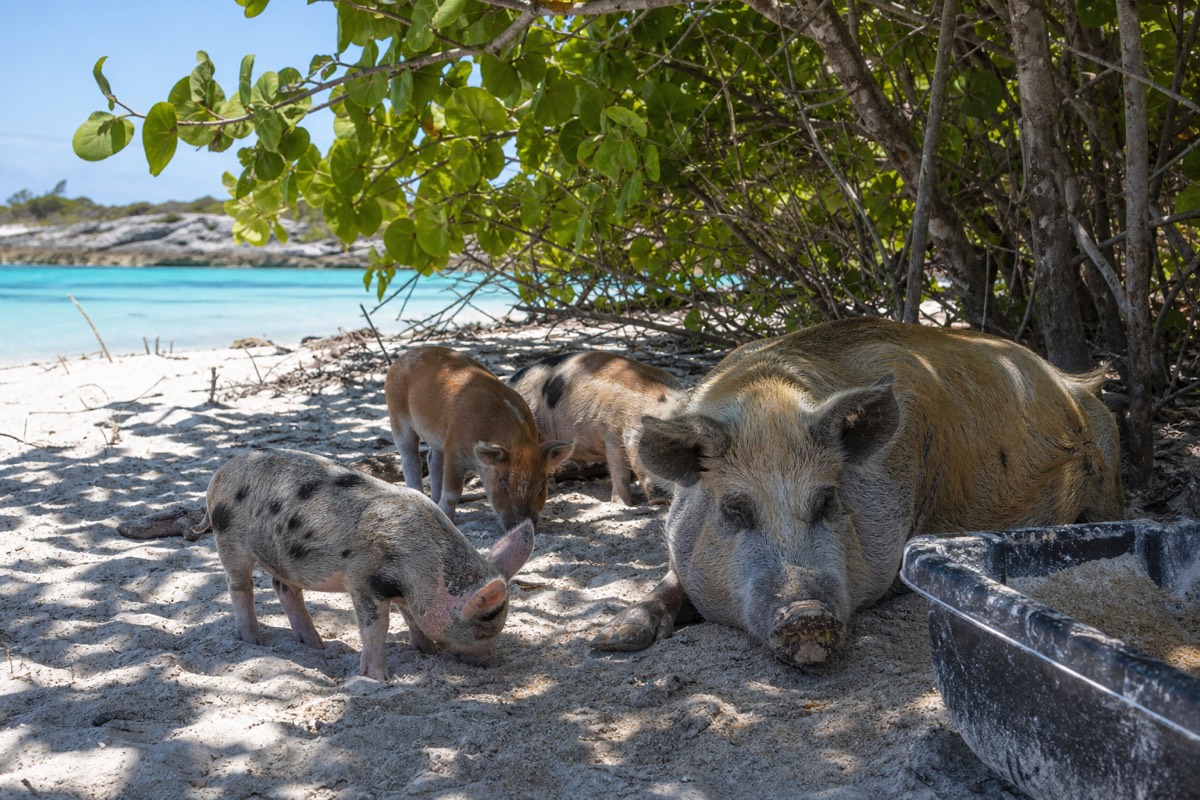
The short crossing is the whole reason the Nassau-area trips hold up in weeks when longer excursions get cancelled. A 25-minute run in the lee of Paradise Island is a different proposition from three hours of open water each way to the Exuma cays, which is what the original Big Major Cay beach demands. We cover that gap in detail in our guide to the swimming pigs near Nassau, and the summary is that month choice barely affects the Rose Island trip and heavily affects the Exuma one.
Where the month does bite is the length of the beach slot. Actual pig time on a Nassau-area tour runs roughly 15 to 45 minutes depending on the operator and the day, inside a four-hour trip. On a breezy day the crew tends to work the shorter end of that range so the boat is back inside the weather window. On a settled April morning you get the long version, plus the snorkelling and the lunch without anyone hurrying.
| What you came for | Best months | Why | Weakest months |
|---|---|---|---|
| Snorkelling and reef clarity | April, May, July | Settled water, least sand stirred into the shallows | January to March, after fronts |
| Swimming pigs, Nassau area | March to May | Short crossing, longest beach slot, calmest ride | February, September |
| Sea turtles at Green Cay | Year-round | Green turtles graze the seagrass beds all year | Any day the boat cannot reach the stop |
| City, forts and rum tours | December to April | Cooler air, low rain, no wind dependency at all | August, for heat as much as rain |
| Beach horseback riding | November to April | Cooler air for the horses and the rider | July and August, 32°C highs |
| Long full-day boat trips | April to July | Longest settled windows, least chance of a cut route | December to March, when cancellations cluster |
How busy is Nassau, month by month?
Cruise arrivals peak from November through April and are busiest around March. Six berths mean up to six ships alongside at once, and on those days the site's own copy describes 10,000 passengers on Bay Street before 09:00. The port handled about 6.1 million passengers in 2025, and its record single day was 33,254 people on 8 June 2026. That record date is a useful correction to the neat seasonal story: a summer Monday can be busier than a March Tuesday, depending entirely on how many hulls are scheduled.
Crowding does not change the sea, but it changes everything about the shore. On a heavy multi-ship day the morning tour slots go to people who booked ahead, taxi queues stretch, and Bay Street and the Straw Market get hot and pushy. Passengers consistently report vendor pressure as their main complaint about Nassau, and it is worst on exactly those days. The practical answer is not to avoid March. It is to be on a boat by 09:00 while everyone else is still deciding, which is also the advice in our walkthrough of Prince George Wharf.
| Months | Cruise arrivals | What downtown feels like | Booking pressure |
|---|---|---|---|
| December to February | High | Dry, bright, busy, windy on the water | Book ahead. Morning boat slots go first |
| March | Busiest of the year | Multi-ship days, heavy vendor pressure by 09:00 | Highest. Book well before you sail |
| April | High but easing | Best conditions of the year, still plenty of ships | High. The best month is not the quietest |
| May to August | Moderate, spiky | Hot and humid, individual days can still be huge | Moderate. Check how many ships are in |
| September to October | Lowest | Quiet streets, easiest walk-up availability | Low, but storm risk is at its highest |
| November | Climbing | Seas settling, crowds returning | Rising through the month |
What happens when a tour is cancelled for weather?
Operators out of Nassau cancel or modify rather than sail into a bad sea, and the decision is usually made the morning of the trip once the wind is known. A cancelled boat trip is refunded. A modified one still runs, with the exposed stops dropped and the sheltered ones kept. This is the part of seasonality nobody prices in, and it is the reason we push the March to May window rather than the December to February one, which reads better on a temperature chart.
Free cancellation on these listings typically runs 24 to 48 hours ahead. That window is your tool, not the operator's: if the forecast turns two days out and your dates are flexible, you can move to the better morning at no cost. Leave it to the night before and you are relying on the operator's own call instead. On a cruise day, add the ship's schedule to the equation, because a tour that gets pushed to the afternoon may no longer fit inside a 6 to 8 hour port window.
| What happens | Typical trigger | What you get | What to do |
|---|---|---|---|
| Snorkel stop dropped | Wind 15 knots and up, poor visibility | The trip runs, one stop swapped for sheltered water | Nothing. Take the beach time instead |
| Turtle stop skipped | Sea state at Green Cay, listed as weather permitting | The rest of the route runs in full | Ask on the boat whether the crew will try later |
| Route shortened | Wind 20 knots and up | Fewer stops, same departure | Decide at the dock if the shorter day still works |
| Trip cancelled | Winter front, gale, 6 to 8 ft seas | Refund per the listing terms | Rebook for a later morning, or take a land tour |
| You cancel first | Forecast turns, plans change | Free cancellation, typically 24 to 48 hours ahead | Diarise the deadline the moment you book |
Do prices and crowds move with the season?
The published starting prices on the tours we list do not carry a printed seasonal grid. What moves with the season is availability and the quality of the day you get for the same money. The range on this site runs from $55 for the 2½-hour cultural trolley tour to $389 for beach horseback riding, with the boat days at $129, $139 and $195, and those are current direct rates rather than permanent ones. Anyone quoting you a fixed high-season surcharge for Nassau excursions is guessing.
A cruise-line excursion can include return assistance under the cruise line’s terms; do not assume every booking guarantees the ship will wait. With an independent tour, you are responsible for the all-aboard deadline. Reserve two hours before all-aboard plus check-in and transfer time, and compare actual departure times before paying. Related reading: rum and food walking tour
| Season | Months | Conditions on the water | Crowds | What we would do |
|---|---|---|---|---|
| Dry and windy | December to February | Bright, cool, front-driven cancellations | High | Book a boat day with a spare morning behind it |
| Peak crowd | March | Improving through the month | Highest of the year | Book weeks ahead, take the 08:00 slot |
| Best on the water | April to May | Calmest and clearest of the year | High but manageable | This is the window. Book the full-day trips here |
| Hot and wet | June to August | Light winds, heavy afternoon rain | Moderate, spiky | Morning departures only, land tour as backup |
| Quietest | September to October | Warmest water, peak storm risk | Lowest | Book anyway, lean on the free-cancellation window |
| Turning | November | Seas settling, rain dropping | Climbing | An underrated month. Book before the December rush |
When does sargassum seaweed turn up?
Roughly March to October, with the worst of it between June and August. Sargassum arrival is genuinely variable rather than guaranteed, so a bad week and a clean week can sit inside the same month, and one beach can be piled with it while another a few kilometres away is spotless. No forecast a year out is worth much. It is a real factor in planning, not a reason to change your month.
Where it matters is on the exposed windward beaches rather than in the sheltered water the boat tours use. The cays east of Nassau tend to have a protected side, and operators run their swim stops on whichever side is clean that morning. Shore-based swimming is more exposed to it, so if your plan is a free beach day rather than a boat day, check current conditions rather than the calendar. Our rundown of the public beaches around Nassau covers which ones sit on which side of the island.
Turtle sightings depend on wildlife and conditions; there is no verified success percentage for the departures recommended here. The captain can change or omit a water stop, so choose the rest of the itinerary on its own merits. Related reading: turtle stop at Green Cay
How to actually pick your month
Work backwards from the thing you most want to do. If it is a long boat day with reef snorkelling and a beach, aim at April or May and book the 08:00 to 10:00 departure. If your dates are already fixed, the month is no longer the decision: the departure time and the free-cancellation window are, and both are still fully in your control. That is a less satisfying answer than a single best month, and it is the one that actually changes outcomes.
For a fixed winter trip, stack the odds: pick a morning slot, keep a second morning free as a fallback, and have a land option on the historic trolley ready for the day a front lands. For a fixed summer trip, do the same thing for a different reason, because the enemy is the afternoon squall rather than the northeast wind. For a fixed September trip, book with the cancellation deadline in your diary and enjoy the emptiest version of Nassau anyone gets to see.
Whichever month you land on, the boat trips are the products that care about it most. The four-hour three-island run with lunch aboard has the most stops to lose in bad weather and the most to gain in good. The Rose Island reef and beach-club day and the swimming pigs and private beach club escape both work off shorter, more sheltered runs, which makes them the safer bets in a breezy week. All of the nine tours we list publish their departure times up front, and the ones leaving before 10:00 are the ones we would book first, in any month of the year. Wider planning context for the island sits on the official Nassau and Paradise Island page, and ship schedules come from the port operator itself.