Nassau Snorkeling: What the Water Honestly Gives You
The reef here is healthy by Caribbean standards and not the most dramatic in the region. What it reliably gives you is clear warm water, plenty of fish and the turtles at Green Cay.
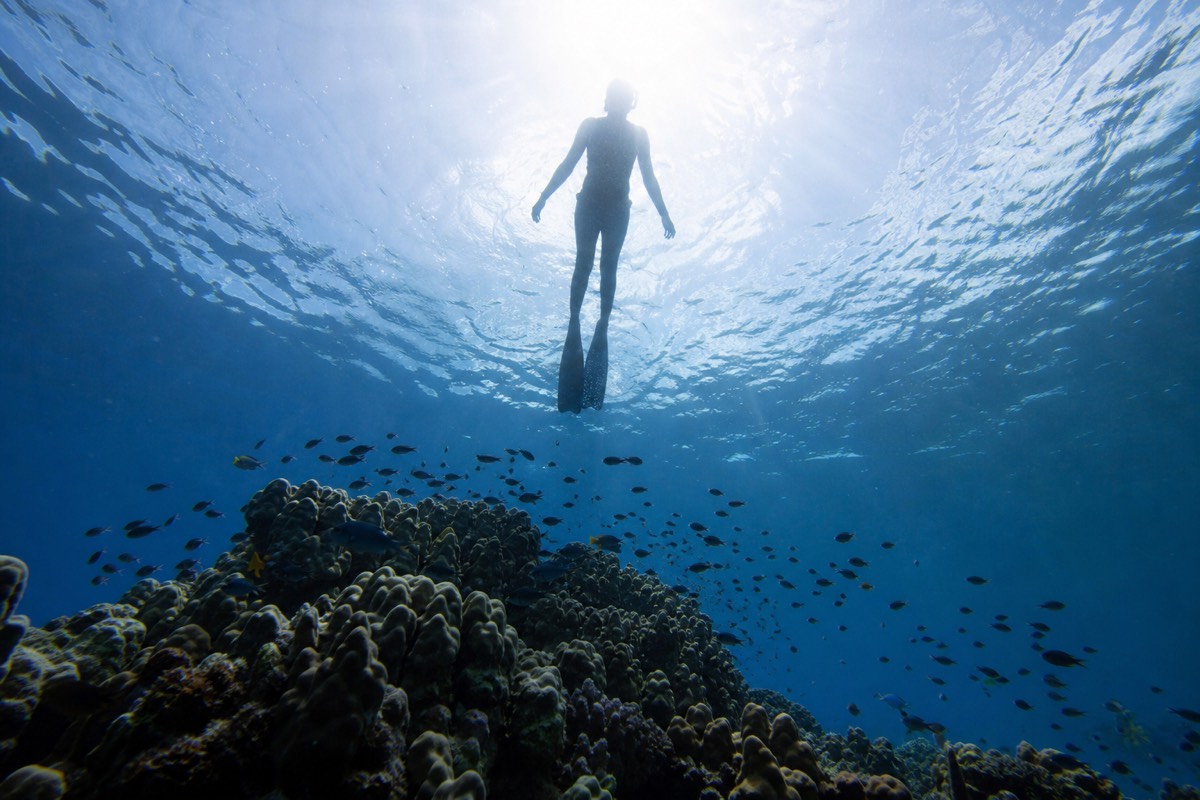
The honest version first, because it is the version this site already publishes on its homepage: the Bahamian reef around these cays is healthy by Caribbean standards and it is not the most visually dramatic snorkeling in the region. What it reliably gives you is clear warm water, tropical fish in good variety, and green sea turtles grazing the seagrass at Green Cay.
Booking facts checked September 12, 2026. Dollar amounts and booking counts below are historical planning examples, not current quotes. Use the rechecked booking choices for your date and confirm the exact option and meeting point.
Choose reef time, sailing or the Green Cay turtle swim. Start with the experience, then compare the actual date, party total and departure details.
Starting choice: Explore Rose Island reef & 007 Beach Club 4h · Snorkel Rose Island Reef, watch for turtles from the boat and settle into the 007 Beach Club with a light grill lunch.
That is a lower ceiling than a Bonaire or Cozumel brochure promises and a much higher floor than most people expect. Visibility is good most of the year, the water sits between 24 and 29 C depending on the month, and the shallow limestone bank that makes the water that color also makes it forgiving for beginners. If you go expecting a wall of coral, you will be underwhelmed. If you go expecting warm clear water full of fish with a decent shot at a turtle, you will not be.
Snorkeling conditions out of Nassau, month by month
Scored on sea state, water temperature and sargassum risk from the season data on file; conditions vary year to year.
Is snorkeling good in the Nassau, Bahamas?
Good, not spectacular, and reliably so. The reef around New Providence and its cays is in reasonable condition, the water is clear and warm year-round, and fish life is varied. What Nassau does not have is the dense, tall, technicolor coral architecture that the Caribbean's most famous snorkeling destinations are known for.
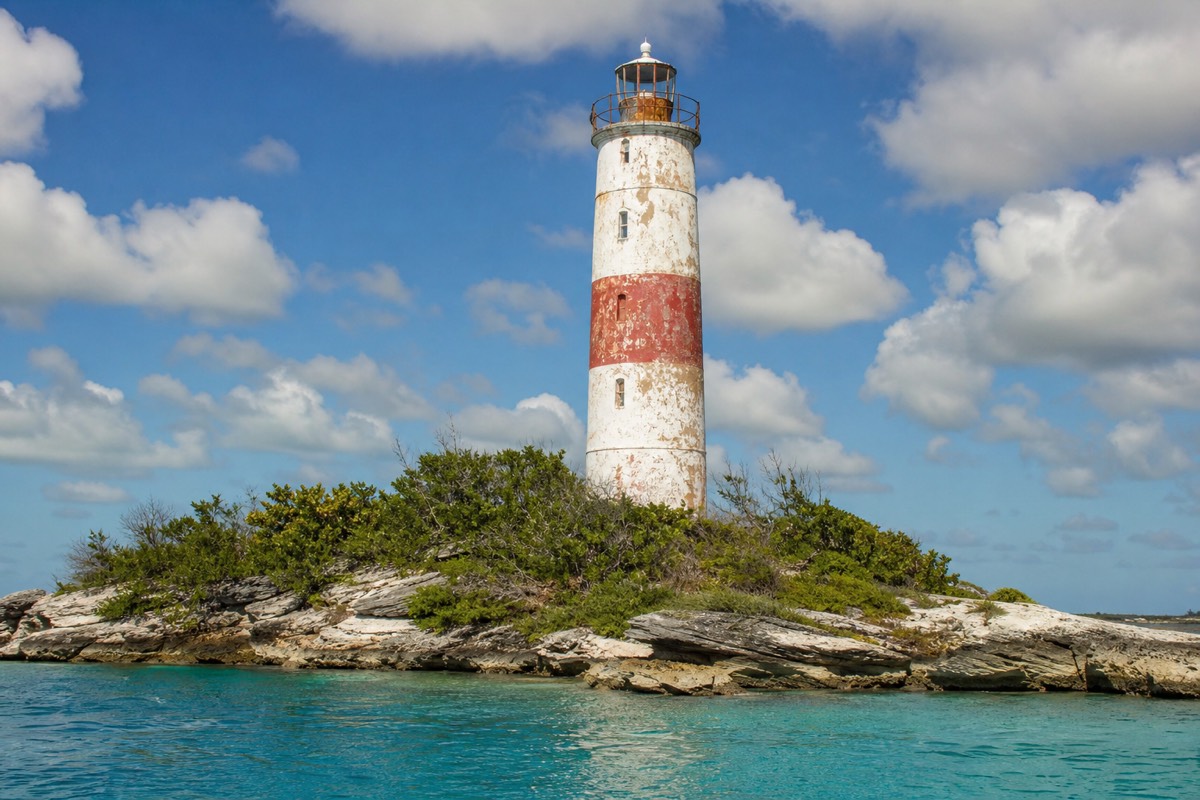
Being straight about that changes what you book. The best snorkeling days out of Nassau are the ones built around a specific thing to see rather than around the coral itself: the turtles at Green Cay, the shallow gardens off Athol, the reef off Rose Island, the sculpture at Clifton Heritage. Each of those is a reason to get in the water. "Generic reef" is not, and a tour sold on generic reef is the one that disappoints.
Turtle sightings depend on wildlife and conditions; there is no verified success percentage for the departures recommended here. The captain can change or omit a water stop, so choose the rest of the itinerary on its own merits.
The wider context is not local. Reef condition across the region has been shaped by bleaching events driven by warmer water, and NOAA's explanation of coral bleaching is the clearest short primer on why the Caribbean looks different than it did thirty years ago. New Providence sits on the shallow Great Bahama Bank, where white limestone sand in shallow water produces the turquoise that photographs so well. That same shallowness is why the fish are easy to see and why the coral is lower and flatter than the deep-wall sites divers travel for.
Where is the best snorkeling near Nassau?
Five named sites carry the answer: Rose Island Reef, the Sea Gardens off Athol Island, Goulding Cay off the west coast, the reef at Love Beach, and the Clifton Heritage area with its Ocean Atlas underwater sculpture. Only two of those are realistically reachable without a boat.
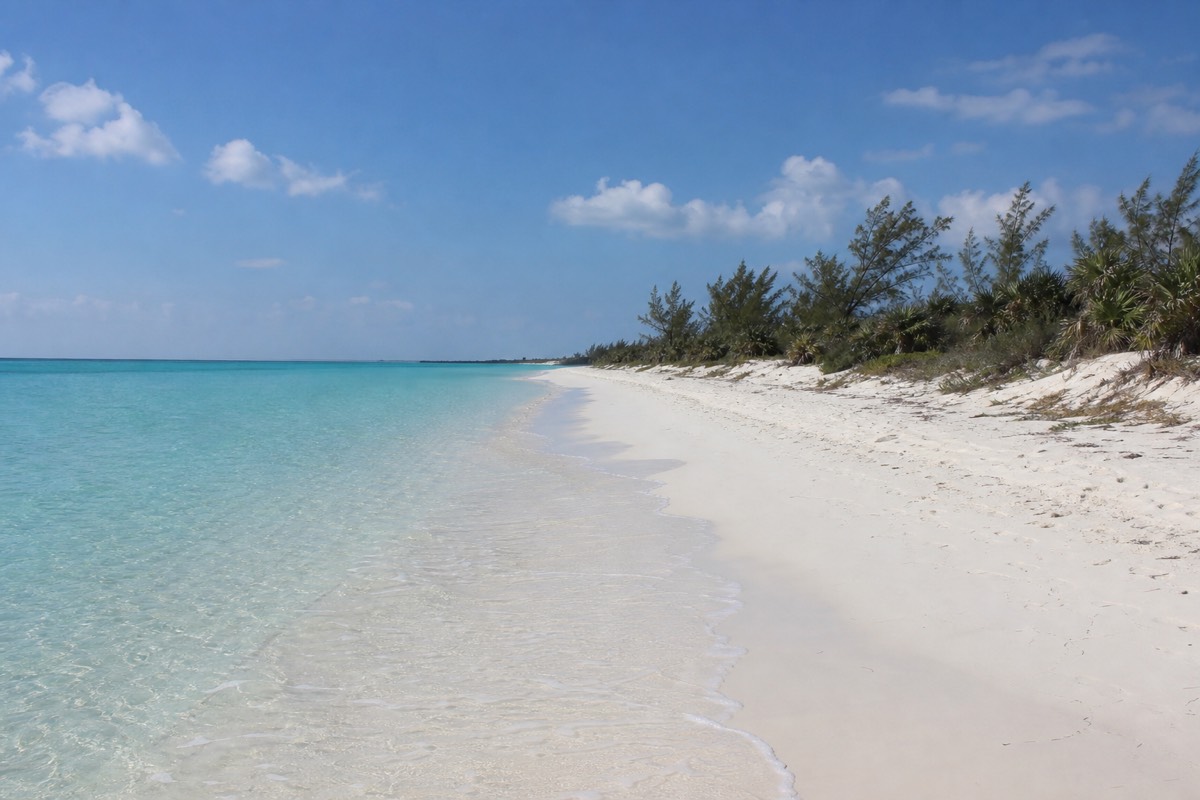
Goulding Cay is the shallow, beginner-friendly one, sitting off the western end of the island. The Sea Gardens off Athol are the clear-water shallow coral that the cay tours run past, and Athol itself is uninhabited, which keeps it quieter than the beach club cays. Rose Island Reef is the one most boat tours actually put you on, because it is close to the harbor and it is sheltered. Clifton Heritage National Park is the outlier: a land entry at about $16.50 for non-residents, with the Ocean Atlas sculpture in the water.
That sculpture is the one site here that gives you something to look at other than reef, and it is the reason Clifton is worth the drive west for anyone who has already snorkeled a few Caribbean reefs and wants a different picture. Protected areas around New Providence are worth understanding before you get in the water anywhere; the Bahamas National Trust park list is the reference for what is protected and where. Green sea turtles, for one, are fully protected under Bahamian fisheries regulations, which means no take and no possession, anywhere.
| Site | How you get there | Free? | Best for |
|---|---|---|---|
| Rose Island Reef | Boat tour, about 25 minutes east | No, part of a tour | Sheltered reef with instruction on hand |
| Sea Gardens, off Athol Island | Boat, just off Nassau | No, part of a tour | Shallow coral and clear water, no crowds on land |
| Goulding Cay | Boat, off the west coast | No, boat access | Shallow and beginner friendly |
| Love Beach reef | Shore entry, northwestern coast | Yes | The best free shore snorkeling near town |
| Clifton Heritage, Ocean Atlas | Land entry, western New Providence | About $16.50 for non-residents | The underwater sculpture, something different |
| Green Cay | Boat tour on the eastern run | No, part of a tour | Green sea turtles over the seagrass |
We rank these in more detail on the named reefs, compared, including which tour reaches which.
Can you snorkel on your own in the Nassau, Bahamas?
Yes. Love Beach and Jaws Beach on the western side both have public, free shore access and reef within swimming distance, and nobody stops you walking in with your own mask. The trade-off is real: no boat, no guide, no gear, no turtles, and no one watching the wind or the current for you.
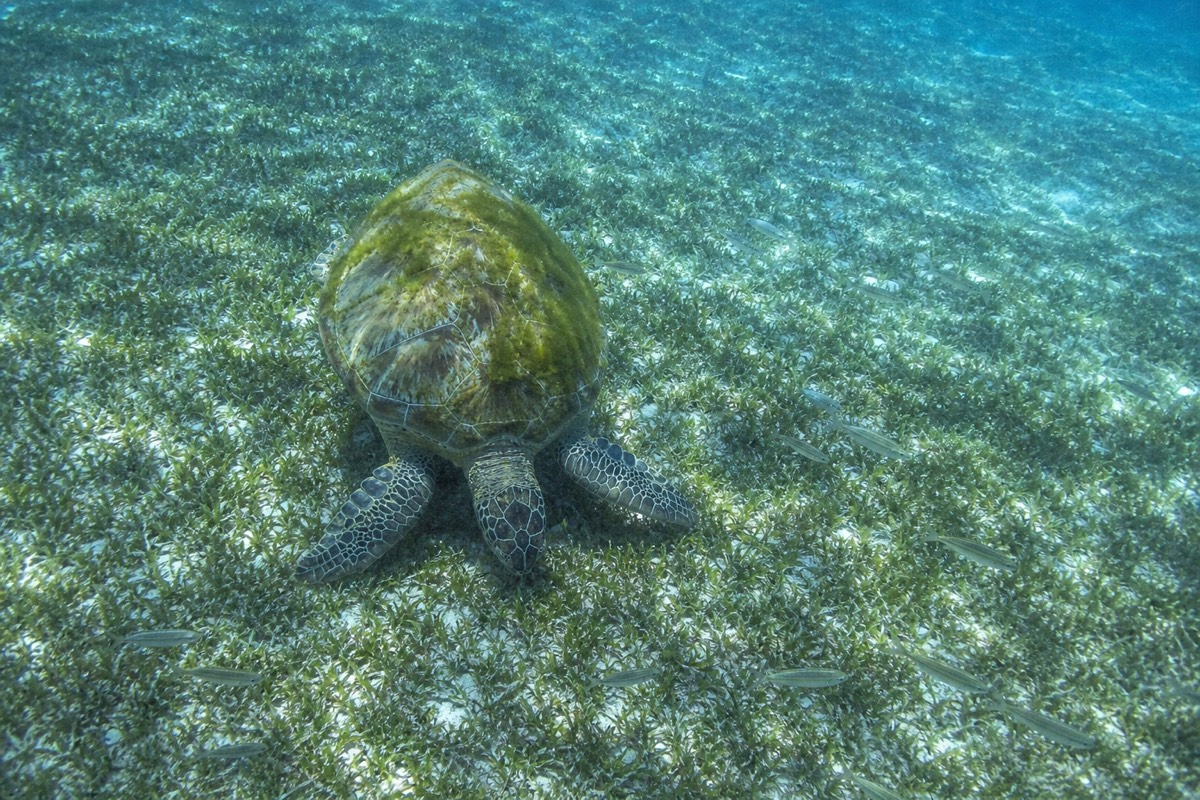
Shore snorkeling near Nassau works best when three things line up: a calm morning, a site on the right side of the island for that day's wind, and your own equipment. Miss any of the three and you get a swim rather than a snorkel. The boat trips exist because the good stuff sits on cays 15 to 45 minutes out, and because the turtles at Green Cay are somewhere you cannot swim to.
| Shore snorkeling | A boat trip | |
|---|---|---|
| Cost | Free at Love Beach and Jaws Beach, about $16.50 at Clifton Heritage | Historical price example: $129 to $195 for four hours |
| Gear | Bring your own | Included on all three of our boat tours |
| Turtles | No reliable site | Turtle sightings depend on wildlife and conditions; there is no verified success percentage for the departures recommended here. The captain can change or omit a water stop, so choose the rest of the itinerary on its own merits. |
| Getting there | Taxi or jitney, western side of the island | Included, from a downtown or Paradise Island hub |
| Safety cover | None, and you judge the wind yourself | Crew, briefing, life jackets, and they cancel when it is bad |
| Best for | Confident swimmers with time and their own kit | Cruise days, beginners, families, anyone who wants turtles |
Our fuller answer on snorkeling on your own from shore weighs the free version honestly, including where it falls short.
Where can I snorkel for free in Nassau, Bahamas?
Love Beach on the northwestern coast is the answer most locals give: public, free, quieter than the town beaches, and with reef close enough to the shore to reach on a calm day. Jaws Beach in the west, near Clifton Heritage, is the other free option. Clifton Heritage itself is not free, at about $16.50 for non-residents.
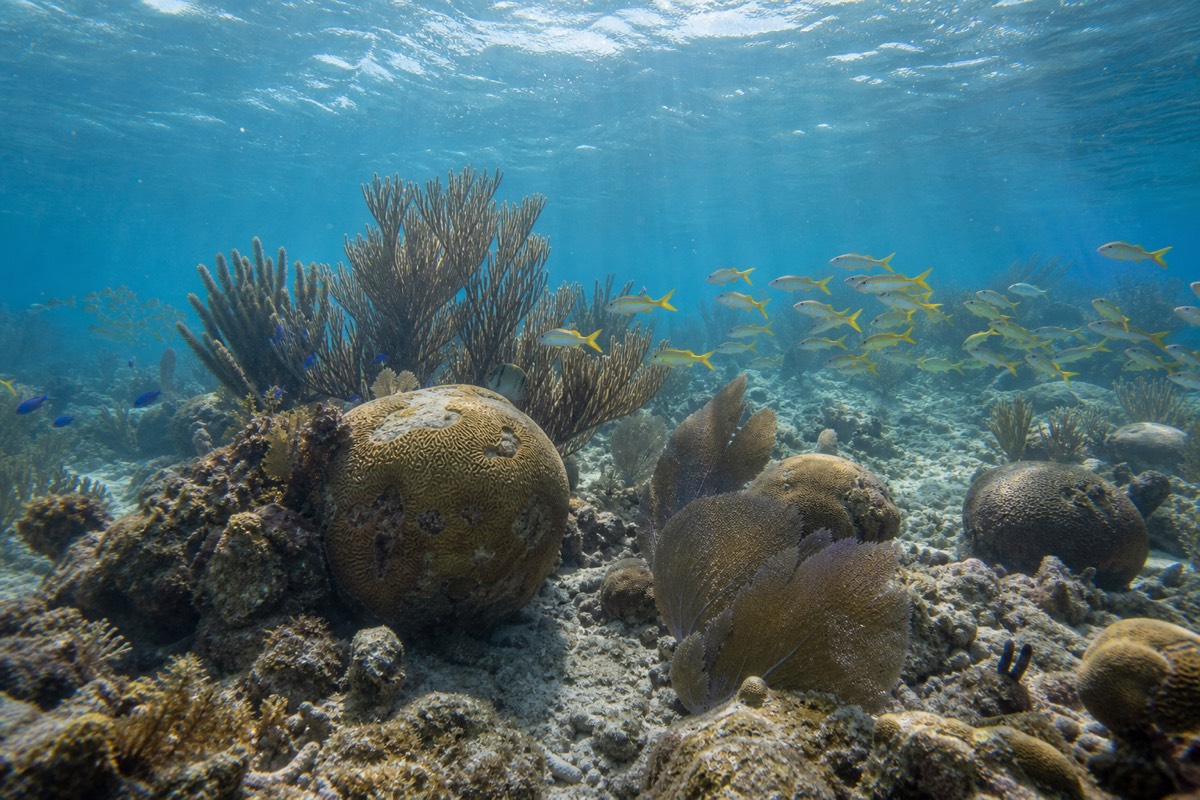
What free does not mean here is convenient. Both of those beaches are on the far side of the island from the cruise port, which means a taxi each way, and taxis in Nassau are unmetered so you agree the fare before you get in. A jitney is $1.25 a ride and goes where the jitney goes rather than where you want. Add the round trip to your day before deciding that free beats a boat ticket.
The beaches nearest the port are free to enter but are not snorkeling beaches. Junkanoo Beach is a 2 to 15 minute walk from the terminal with chairs from about $10, bars, music and a steady stream of vendors, and Cable Beach is about 9.2 km west, reachable on the number 10 jitney for $1.25. Both are good places to swim and drink. Neither is where you go to see fish. If a free beach day is what you are actually after, the public beaches around Nassau covers them properly. The official Jaws Beach listing is the place to check current access.
Which beach in Nassau is best for snorkeling?
Love Beach, without much competition. It is public, free, quieter than the town beaches and has an actual reef off it. Cable Beach and Junkanoo Beach are better swimming beaches than snorkeling beaches, and Cabbage Beach on Paradise Island has restricted access points and private resort frontage in places.
The reason the beach answer is thin is structural. Nassau's best snorkeling is not on New Providence at all, it is on the cays around it, and no beach on the main island can compete with a boat that puts you on Rose Island Reef or over the seagrass at Green Cay. Anyone promising world-class snorkeling off a town beach is selling something.
What a beach can give you is a low-commitment hour in warm shallow water with a mask, and Love Beach does that well on a calm day. Treat it as a bonus rather than the plan, and pick the side of the island the wind is not hitting. In winter, north and northeast winds mean the northwestern beaches are the ones taking the weather, which is exactly when the sheltered eastern cay runs stay workable.
What do the boat tours include for snorkelers?
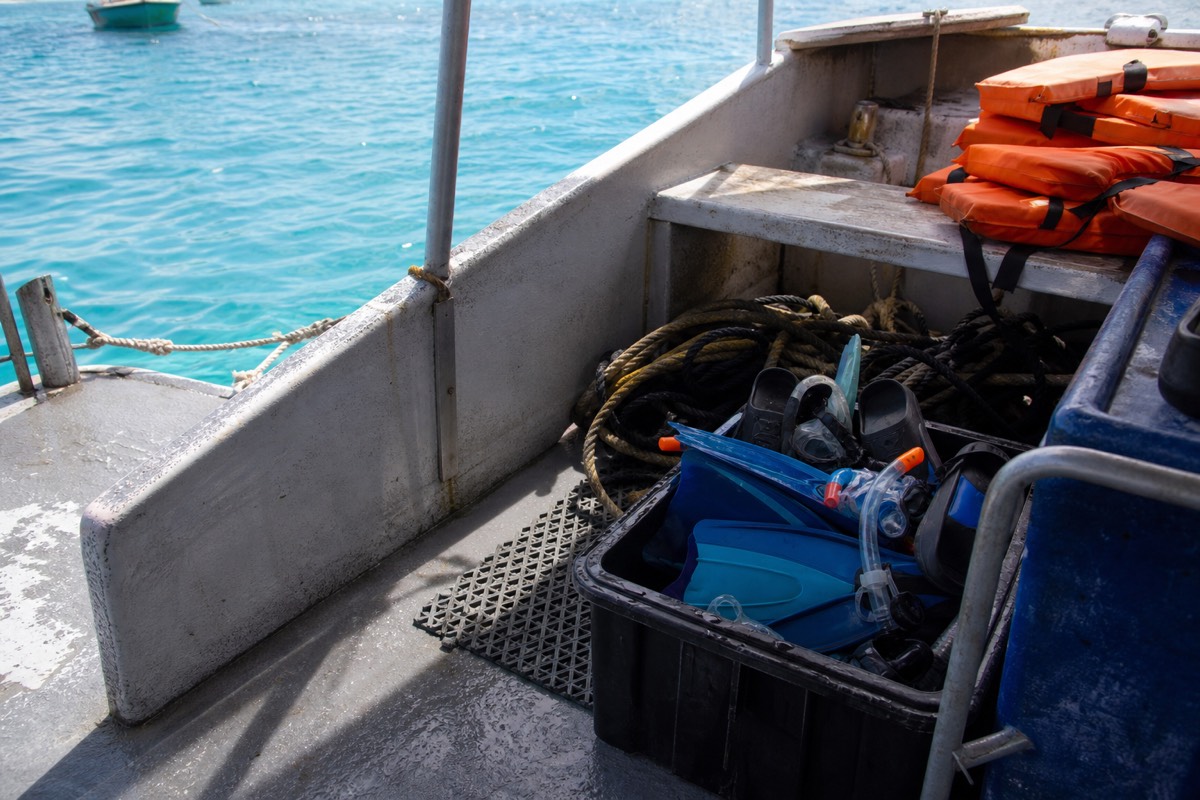
All three of our boat tours include snorkel gear in the price. The $139 Rose Island trip adds instruction, the $195 three-island run adds kayaks and about an hour of reef time at Pearl Island, and the $129 pigs trip adds paddleboards. None of them include towels, cameras or reef-safe sunscreen, so bring those.
The differences that matter are time in the water and whether anyone teaches you anything. An hour at a single reef, which is what the three-island run gives at Pearl Island, is a genuinely different experience from a shorter stop treated as one item on a list. Instruction matters more than people expect: most bad first snorkels are a leaking mask and a flooded snorkel, both fixable in two minutes by someone who does it every day.
If snorkeling turns out not to be enough, the next step up near Nassau is scuba, and we should be clear that we sell none of it. A two-tank dive runs around $185 and a Discover Scuba session around $180, Stuart Cove's is the best-known operator, and the famous sites include the James Bond wrecks and the Tongue of the Ocean wall. Catamaran snorkel sails, roughly $80 to $150, are the other thing people compare these boats against. For a cruise day with a fixed all-aboard time, a four-hour tour that includes gear, lunch and a known return is the version that fits, which is why all three of the boats we list are built that way.
| Tour | Gear | In-water time | Turtles | Extras |
|---|---|---|---|---|
| Nassau 3 Islands, $195 | Snorkel gear and kayaks | About an hour of reef at Pearl Island | Green Cay stop | Jerk BBQ lunch, one rum punch, 29,228 booked |
| Rose Island full-day, $139 | Snorkel gear plus instruction | Rose Island Reef session | Green Cay, watched from the deck | 007 Beach Club, hammocks, aviary, 5,442 booked |
| Swimming pigs and beach club, $129 | Snorkel gear and paddleboards | Free swimming at the beach club | Green Turtle Cay, 10 minutes, weather permitting | Bahamian lunch, Wi-Fi, restrooms, 14,083 booked |
Can non-swimmers and nervous beginners do this?
Yes, with two conditions: tell the crew before you get in the water, and pick the tour that includes instruction rather than the one that just hands you a mask. The shallow water around these cays is about as forgiving as snorkeling gets, and a flotation vest turns it from a swim into a float with a view.
The failure mode is almost never the water. It is a nervous person who says nothing, struggles with a mask that does not fit, swallows a mouthful and decides snorkeling is not for them. Crews on these boats deal with first-timers every day and will fit a mask properly if you ask. Ask.
| You are | Realistic? | What to do |
|---|---|---|
| A confident swimmer | Yes, any of the three | Take the tour with the longest reef time |
| A weak swimmer | Yes | Ask for flotation, stay in the shallow zone, pick the trip with instruction |
| A non-swimmer | Partly | Say so at check-in, use flotation, treat the beach club as the main event |
| Snorkeling for the first time | Yes | Fit the mask on the boat, not in the water, and go with a guide |
| With young children | Yes, on the calm morning departures | Shallow beach club water rather than the reef stop |
| Nervous about boats | Yes | The 25-minute eastern crossing is the shortest and most sheltered |
When is the water best, month by month?
March to May is the best window and April is the single strongest month: warm water, settled seas, and the winter fronts finished. Sea temperatures run 24 to 26 C from January to March, 26 to 28 C in May, and 27 to 29 C from June through October. December to March is the windiest stretch and where cancellations cluster.
Two seasonal patterns matter more than temperature. Winter cold fronts from December through March bring north and northeast winds, occasional gale conditions and 6 to 8 ft seas, which is what actually stops a snorkel stop. Sargassum seaweed runs roughly March to October with the worst impact June to August, though it is variable rather than guaranteed and it affects beaches more than boat sites.
| Month | Sea temperature | Typical conditions | Sargassum risk |
|---|---|---|---|
| January to March | 24 to 26 C | Cold fronts, north winds, 6 to 8 ft seas on frontal days | Low until March |
| April | 25 to 27 C | The best single month, settled and clear | Possible, usually light |
| May | 26 to 28 C | Warm, calm, before the summer heat | Building |
| June to August | 27 to 29 C | Hottest and most humid, afternoon squalls | Worst window |
| September to October | 27 to 29 C | Warmest water, peak hurricane risk around 10 September | Easing through October |
| November to December | 25 to 28 C | Settling, then the first winter fronts | Low |
The Atlantic hurricane season runs 1 June to 30 November with its statistical peak around 10 September. For a longer trip that spans several months of possibility, which months give the calmest water works through the same data from a trip-planning angle rather than a snorkeling one.
What wind does to a snorkel stop
At 15 knots and above the ride gets bumpy and the snorkel stop can be cut or moved. At 20 knots and above longer trips are often modified or cancelled outright. December to March is when this happens most, and a morning departure between 8:00 and 10:00 is the single best defence, because the trade winds build through the middle of the day.
Operators do not cancel lightly, and a modified itinerary is far more common than a cancelled one: the reef stop gets swapped for a sheltered site, the turtle stop gets watched from the deck instead of the water, or the order of the day changes. That is a crew making a sensible call, not a tour being cut short, and it is the main reason a guided boat beats a rental for anyone who cannot read a sea state.
If you are booking ahead and want to check what the day looks like, the Bahamas Department of Meteorology publishes local marine and wind information. Free cancellation on these listings is typically 24 to 48 hours ahead, which is usually enough notice to see a front coming.
What to bring, and what the crews hand you
Bring a towel, reef-safe sunscreen, cash for gratuities and something dry to put a phone in. The boats supply masks, snorkels and fins, and on the Rose Island trip the instruction to use them. Towels are excluded on all three tours, which is the item people most often assume is included.
Sunscreen deserves a sentence of its own. Reef-safe sunscreen is specifically listed as not included on the Rose Island trip, and you are getting in the water above living coral on every one of these tours. Buy it before you sail rather than at a port shop.
| Item | Supplied? | Notes |
|---|---|---|
| Mask, snorkel and fins | Yes, on all three tours | Fit the mask on the boat, before you get in |
| Instruction | On the Rose Island trip | Ask on any boat if you are new to it |
| Flotation | Ask the crew | Say at check-in if you are not a confident swimmer |
| Towel | No, on any of the three | The most common thing people assume is included |
| Reef-safe sunscreen | No | Explicitly excluded on the Rose Island trip |
| Underwater camera | No | Cameras and action cameras are excluded across the board |
| Paddleboards and kayaks | Paddleboards on the $129 trip, kayaks on the $195 | Included in the price on those two |
| Cash | Bring it | Gratuities are excluded on all three, and bar drinks are extra |
The turtles at Green Cay, and which tour to book
Turtle sightings depend on wildlife and conditions; there is no verified success percentage for the departures recommended here. The captain can change or omit a water stop, so choose the rest of the itinerary on its own merits.
How you see them differs by tour. The three-island run and the Rose Island trip both build a Green Cay stop into the route, with the Rose Island version watched from the boat deck, while the pigs trip makes a 10-minute call at Green Turtle Cay when the weather allows. None of them can promise turtles, and any operator who does is overselling. Swimming with sea turtles near Nassau goes through the sites and the etiquette in detail.
For snorkeling specifically, our order would be this. The three-island snorkel day at $195 gives the most in-water time, roughly an hour of reef at Pearl Island plus the Green Cay viewing stop, and it is the most booked tour on this site at 29,228 bookings. The $139 Rose Island reef trip is the one to take if you want instruction and a smaller 22-passenger boat. The $129 pigs and beach club boat is the least snorkel-focused of the three but the best value for a family day, with 14,083 bookings behind it. If you want to see how the reef stop fits into a whole cay day, what a Rose Island day involves and Pearl Island's reef are the two pages that go deeper, and all three tours sit alongside the nine tours on this site.