Is Pig Beach Ethical, and Are the Pigs Treated Well?
The welfare question has a real answer, and it turns on who controls the feeding. Here is what happened, what changed, and what to do on the sand.
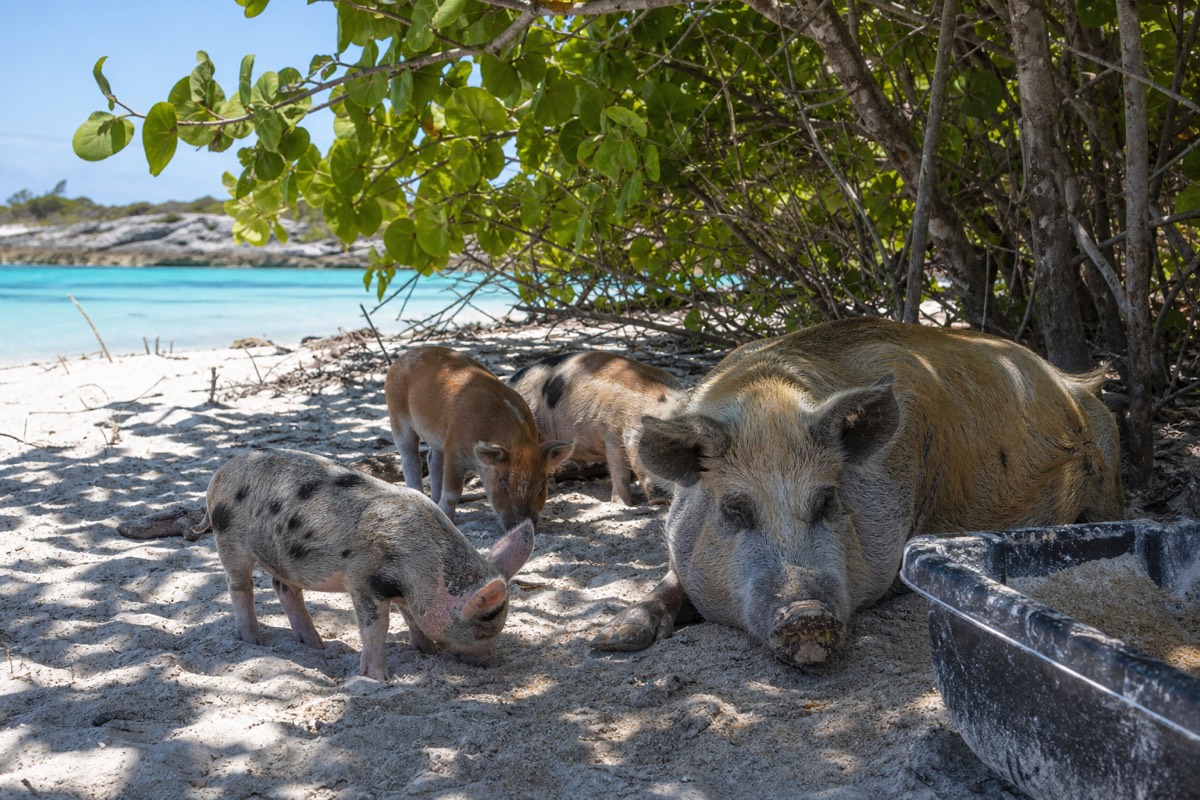
In 2017, between seven and ten pigs died on Big Major Cay in the Exumas. They had ingested sand, and the deaths were linked to tourists feeding them on the beach. That is the single fact anyone researching this question should start from, because it is what changed how the colonies are managed and it is what your own behaviour on the sand is actually about.
Booking facts checked September 12, 2026. Dollar amounts and booking counts below are historical planning examples, not current quotes. Use the rechecked booking choices for your date and confirm the exact option and meeting point.
Choose a wildlife or reef experience with no pig encounter. Start with the experience, then compare the actual date, party total and departure details.
Starting choice: Explore Green Cay turtle snorkel 2h · A two-hour Green Cay trip built around snorkeling with wild turtles, with equipment, towels and light snacks included.
Is Pig Beach ethical, and are the pigs treated well?
It depends almost entirely on how the feeding is run. These are domestic pigs on inhabited working islands, not wildlife in a habitat, and a supervised encounter where a guide controls the food is defensible. An unsupervised free-for-all where visitors hand-feed on sand is what killed pigs in 2017.
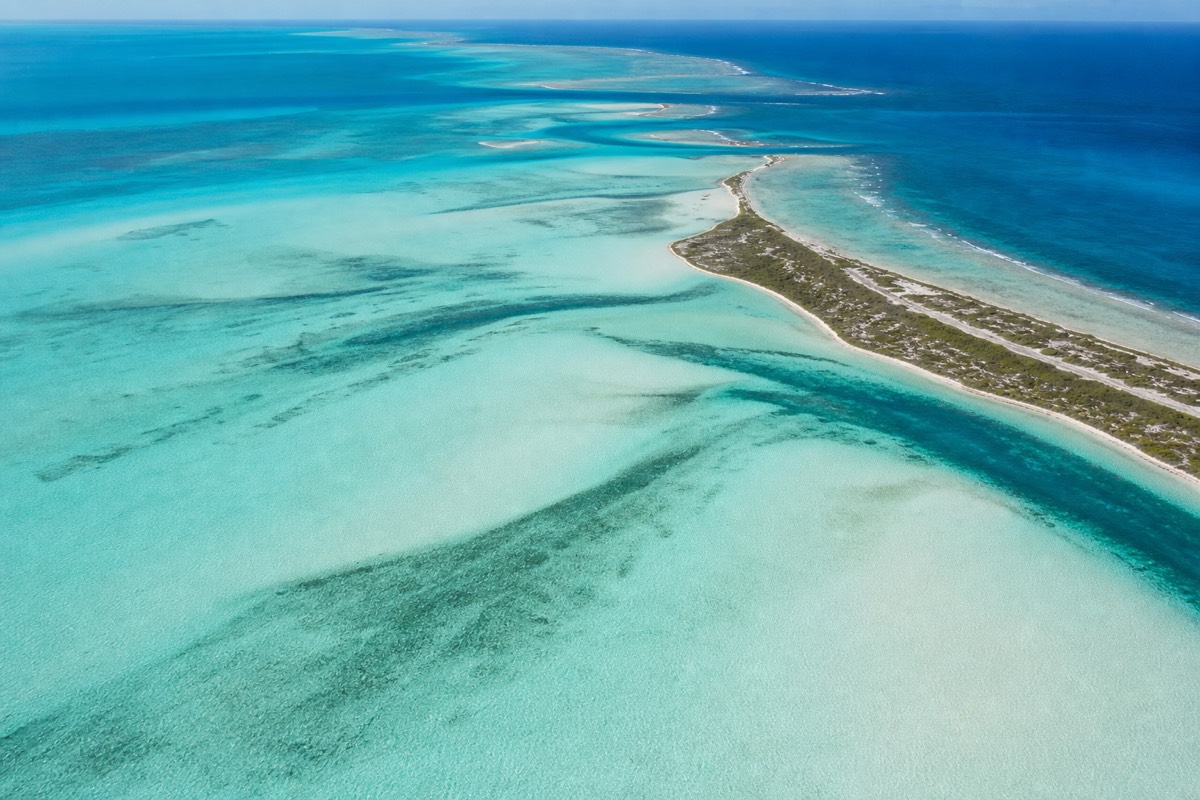
That is a more useful answer than yes or no, and it puts the decision where it belongs. The question is not whether pigs and tourists should share a beach at all. It is whether the operator taking you there follows the official rules, and whether you follow them once you are in the water. The colonies nearest Nassau sit on Rose Island, Pearl Island and Athol Island, and our guide to the pig colonies closest to Nassau covers who runs which beach.
Where did the pigs come from, and are they wild?
They are domestic pigs, not a native species and not wildlife. Pigs are not indigenous to the Bahamas, and the origin stories that circulate, sailors leaving them to fatten or survivors of a shipwreck swimming ashore, are legends rather than established fact.
This matters for how you judge the ethics. Nobody is habituating a wild animal to human food and degrading its natural behaviour, because there is no natural behaviour here to degrade: these are livestock living semi-freely on beaches. The flip side is that livestock depend on people, so the standard applied to them is a husbandry standard, not a wildlife one. Are they fed properly, watered, sheltered and left alone enough. That is the test.
What actually happened on Big Major Cay?
National Geographic reported that seven to ten pigs died on the Exuma beach in 2017 after ingesting sand, connected to visitors feeding them directly on the beach rather than tossing food into the water. Pigs scoop up whatever is under the food, and sand does not pass.
The response was regulatory rather than cosmetic. The Bahamian Ministry of Agriculture put forward proposals for boundary lines on the beach, a warden stationed there and restrictions on feeding, and signage plus feeding troughs were installed on the cay. The Bahamas Humane Society monitors the colonies and has publicly called for stronger protection. That is not a closed file, and it is fair to describe the situation as improved rather than solved.
What are the official feeding rules?
The guidance published by the Bahamas Ministry of Tourism is short and specific: feed only approved food, meaning fruit, vegetables, bread or proper pig feed; throw it into the water rather than hand-feeding on the sand; and never give processed food or alcohol.
The water rule is the one that does the work, and it is the one most visitors get wrong because hand-feeding makes a better photograph. Tossing food into the shallows means the pig eats the food and not the beach. Everything else on the list follows from treating them as animals with a diet rather than as a novelty act. The official rules are published on the Bahamas tourism swimming pigs page.
| Do this | Not this | Why it matters |
|---|---|---|
| Throw food into the shallow water | Hand-feed on the dry sand | Sand ingestion is what killed pigs on Big Major Cay in 2017 |
| Stick to fruit, vegetables, bread or pig feed | Share crisps, sweets, leftovers or beer | Processed food and alcohol are explicitly ruled out by official guidance |
| Let the guide hand out the food | Bring your own supply from the boat | A controlled quantity stops overfeeding and keeps the crowd orderly |
| Stay in the water and let them come | Chase, corner, ride or sit on a pig | These are large domestic animals, and crowding turns a calm encounter into a scramble |
| Keep the encounter short | Linger for an hour of photographs | Nassau-area pig time runs roughly 15 to 45 minutes for a reason |
| Watch the piglets from a distance | Pick up or handle young pigs | Sows are protective, and separating a piglet from the group causes real distress |
Does booking a guided tour make it better or worse for the pigs?
Better, provided the guide runs the feeding. A crew that brings the approved food, distributes it, throws it into the water and calls time after 20 minutes is doing the exact thing the official guidance asks for. A boat that drops you on a beach with your own snacks and no supervision is the arrangement that caused the problem.
This is a case where the commercial interest and the animal welfare interest point the same way, which does not happen often. Operators running the same beach every day cannot afford sick pigs, because the pigs are the product. When you book a guided beach club pig stop, the food comes from the crew and the encounter is timed. Ask before you pay: who brings the food, is it thrown into the water, how long is the stop. Any operator worth using will answer without hesitating.
If the ethics still bother you, what should you book instead?
Book the turtles. Green sea turtles graze the seagrass beds at Green Cay and are fully protected under Bahamian fisheries regulations, with no take or possession permitted. They are wild animals in their own habitat, observed rather than fed, and they are on the same boats that reach the pigs.
Reef snorkelling is the other clean answer. The Bahamian reef around these cays is healthy by Caribbean standards, and it asks nothing of any animal beyond leaving it alone. Both stops appear on the same four-hour itineraries, so choosing to skip the pig beach does not mean skipping the day. Our pages on the wild turtles at Green Cay and what Rose Island is like cover both, and whether the encounter is worth booking is the companion piece to this one. The Big Major Cay day trip remains an option for travellers not on a cruise clock, and the full set of guided Nassau day tours is on the homepage.